
Featured Peptide APIs & Therapeutic Formulations
Direct factory sourcing for high-purity clinical and commercial-grade peptides. Multi-ton annual chemical synthesis capacity with comprehensive analytical qualification.
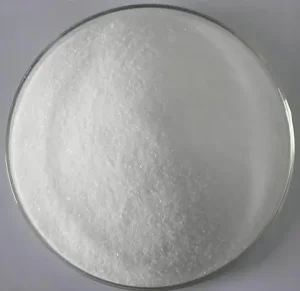
The Global GLP-1 (Glucagon-Like Peptide-1) Landscape: Industrial Paradigm & Metabolic Revolution
Glucagon-Like Peptide-1 (GLP-1) receptor agonists have fundamentally transformed global metabolic healthcare, evolving from secondary treatments for Type 2 Diabetes Mellitus (T2DM) into premier, multi-indication therapeutics for chronic weight management, cardiovascular risk reduction, metabolic dysfunction-associated steatohepatitis (MASH), and neurodegenerative disorders. As demand accelerates exponentially across Western markets, East Asia, and emerging healthcare hubs, establishing a scalable, resilient, and high-purity API supply chain has become a mission-critical imperative for generic developers, innovator biotechs, and compounding pharmaceutical platforms.
Incretin Physiology & Receptors
Endogenous GLP-1 is a 30-amino acid peptide hormone secreted by intestinal L-cells. It enhances glucose-dependent insulin secretion, suppresses glucagon release, delays gastric emptying, and induces central nervous system satiety via hypothalamic GLP-1R signaling pathways.
Pharmacokinetic Engineering
Native GLP-1 is degraded within minutes by Dipeptidyl Peptidase-4 (DPP-4). Modern analogues utilize sequence substitution (e.g., Aib8 in Semaglutide) and lipophilic fatty-acid side-chain acylation to bind serum albumin, extending human half-life to over 160 hours for weekly dosing.
Supply Chain Bottlenecks
The global surge in clinical demand has created severe structural deficits in crude peptide synthesis, specialized solvent recovery, long-chain lipid coupling reagents, and aseptic fill-finish capacity—making robust multi-ton manufacturing capabilities vital.
Industrial Manufacturing Routes: SPPS, LPPS & Hybrid Chemistry
Synthesizing long-chain complex peptides like Semaglutide (31 amino acids with C18 diacid side-chain) and dual/triple co-agonists demands rigorous chemical engineering to eliminate sterically hindered coupling failures, deletion sequences, and beta-sheet aggregation.
| Manufacturing Dimension | Solid-Phase Peptide Synthesis (SPPS) | Recombinant Expression (e.g., Yeast/E. coli) | Thinheal Hybrid LPPS-SPPS Technology |
|---|---|---|---|
| Sequence Flexibility | High; seamlessly incorporates non-canonical amino acids (Aib, D-amino acids). | Restricted; struggles with unnatural amino acids and specialized lipid acylations. | Maximum; enables backbone assembly via SPPS followed by liquid-phase fragment ligation. |
| Purity & Impurity Profile | Requires precise HPLC cut points to clear diastereomers and deletion peptides. | Risk of host cell proteins (HCP), DNA contamination, and enzymatic cleavage variants. | Ultra-pure (>99.5%); single-digit PPM elemental impurities and zero biological contaminants. |
| Scalability & Yield | Scalable to hundreds of kilograms; resin capacity-dependent. | High batch volume; requires extensive downstream refolding and purification. | Multi-Ton Industrial Scale; continuous solvent recycle loop optimizing green chemistry economics. |
| Regulatory Approval Path | Well-established chemical DMF pathway (US FDA, EMA, NMPA). | Requires complex biological comparability studies and immunogenicity trials. | Accelerated Generic/CDMO Dossier with complete characterization data packages. |
Side-Chain Acylation & Lipid Chemistry
Precise installation of hydrophobic fatty acid side chains (e.g., α-tocopherol, γ-Glu-Lx-C18 diacids) is performed under real-time Process Analytical Technology (PAT) monitoring to prevent racemization at histidine and lysine residues, delivering pristine chemical homogeneity.
Green SPPS & Atom Economy
By implementing low-toxicity green solvents (e.g., GreenSol, NBP/DMSO mixtures) and automated solvent recycling distillers, Thinheal reduces hazardous liquid waste by over 45% per kilogram of finished GLP-1 API produced.
Counter-Ion Management & Lyophilization
Our standardized process controls the conversion of trifluoroacetate (TFA) salts into pharmaceutically desirable acetate or sodium salts, keeping residual TFA levels strictly below 0.1% while controlling moisture and bioburden.
Global CDMO Infrastructure & Industrial Benchmark
Hangzhou Thinheal Pharma-Tech combines state-of-the-art automated synthesis reactors with strict cGMP-aligned quality systems to support client programs from initial discovery to worldwide commercial launch.
Analytical Testing Suite
Equipped with high-resolution LC-MS/MS, UPLC-UV, 2D-NMR, Circular Dichroism (CD) spectroscopy, Karl Fischer titration, ICP-MS for heavy metals, and automated endotoxin testing to ensure rigorous lot-to-lot batch reproducibility.
Regulatory Filing Support
Comprehensive Drug Master File (DMF) technical packages, stability test data adhering to ICH Q1A(R2) guidelines, process validation dossiers, and full support during client site audits and regulatory inquiries.
Turnkey Cold-Chain Logistics
Validated temperature-controlled shipping configurations (-20°C, 2–8°C, or controlled room temperature) featuring real-time GPS and temperature monitoring to protect active peptide integrity across international air transit.
Next-Generation Incretins: Dual, Triple Agonists & Oral Breakthroughs
The metabolic market is shifting rapidly beyond monotherapy GLP-1 agonists toward multi-receptor co-agonists and non-invasive oral delivery vehicles designed to enhance weight loss depth and preserve lean muscle mass.
GLP-1 / GIP Dual Agonists (e.g., Tirzepatide)
By simultaneously targeting Glucagon-Like Peptide-1 and Glucose-Dependent Insulinotropic Polypeptide receptors, dual agonists achieve synergistically enhanced lipid clearance, superior glycemic control, and greater total body weight reduction in clinical populations.
GLP-1 / Glucagon Dual Agonists (Mazdutide, Survodutide)
Co-activating GLP-1R and the Glucagon receptor (GCGR) accelerates hepatic fatty acid oxidation and increases basal metabolic rate, offering targeted treatment options for non-alcoholic steatohepatitis (NASH/MASH) alongside severe obesity.
GLP-1 / Amylin Co-Formulations (Cargrilintide)
Combining GLP-1 receptor activation with long-acting amylin analogues (such as Cargrilintide) targets dual satiety mechanisms in the brain stem and hypothalamus, providing deeper appetite suppression with improved gastrointestinal tolerance.
Oral Peptides & Permeation Enhancers
Formulating oral peptide tablets utilizing Salcaprozate Sodium (SNAC) or advanced hydrophobic ion-pairing enables mucosal absorption in the stomach, overcoming enzymatic degradation by pepsin and gastric protease barriers.
Small-Molecule Non-Peptide Agonists
Emerging oral non-peptide GLP-1R agonists (e.g., Orforglipron) present unique synthesis and structural characterization demands, widening the options available for next-generation metabolic therapeutic pipelines.
Aesthetic & Functional Convergence
Beyond systemic metabolic administration, specialized cosmetic and functional signal peptides (e.g., Semax, Vasopressin analogues) target central nervous focus, skin matrix regeneration, and microvascular fluid regulation.
Technology Roadmap: 2025–2035 Peptide Industrialization
Anticipating technological evolution in peptide synthesis, continuous processing, and green biomanufacturing over the coming decade.
Continuous Flow SPPS
Implementation of microfluidic continuous-flow peptide coupling reactors to dramatically shorten reaction times and minimize side-product formation.
Enzymatic Ligations
Adoption of chemo-enzymatic peptide synthesis (CEPS) for ligation of long-chain fragments with zero racemization and reduced chemical waste.
Zero-Hazard Solvents
Full transition to non-toxic, bio-based solvent systems across all commercial production platforms, satisfying world-leading environmental standard limits.
Ultra Long-Acting Acylation
Development of novel lipid diacid linkers enabling bi-monthly or monthly subcutaneous administration of metabolic co-agonists.
AI Synthesis Automation
Fully autonomous closed-loop AI synthesis platforms optimizing real-time cleavage parameters, yield optimization, and continuous quality assurance.
Additional Speciality Peptides & Custom API Catalog
Comprehensive range of gut peptides, CNS active compounds, hormone analogues, and custom synthesis options available upon request.
Frequently Asked Questions by Procurement & Quality Assurance Teams
Direct insights regarding quality control, batch documentation, regulatory support, and commercial supply scalability.
What specific purity standards and analytical specifications are guaranteed for GLP-1 APIs?
Our standard commercial-grade Semaglutide and GLP-1 analogue APIs deliver HPLC purity of ≥99.0%, with individual unknown impurities strictly limited to ≤0.10%. Every batch is accompanied by comprehensive Certificate of Analysis (CoA) documentation detailing HPLC, LC-MS identity, peptide content (nitrogen analysis), residual water (Karl Fischer), heavy metals (ICP-MS), and bacterial endotoxin levels (<10 EU/mg).
How does Hangzhou Thinheal Pharma-Tech handle complex side-chain acylation on peptides like Semaglutide and Tirzepatide?
We utilize a targeted, orthogonal protecting group strategy during Solid-Phase Peptide Synthesis (SPPS) using Lysine derivatives such as Lys(Alloc) or Lys(Dde). This enables selective deprotection and coupling of the lipophilic fatty acid chain (e.g., octadecanedioic acid spacer derivatives) on solid support prior to resin cleavage, preventing unwanted side reactions and ensuring structural precision.
What is Thinheal's current manufacturing capacity for GLP-1 peptide APIs?
Thinheal operates an integrated R&D center and production facility in Hangzhou, China. Our combined multi-ton synthesis infrastructure supports high-volume commercial needs alongside custom pilot batches ranging from grams to multi-kilogram quantities for clinical trials and commercial production.
What regulatory documentation support is available for international pharmaceutical registration?
We supply comprehensive technical packages including Drug Master Files (DMF) open parts, detailed manufacturing process flowcharts, impurity characterization dossiers, stability data under long-term and accelerated ICH conditions, and complete audit support for customer QA qualification.
Can Thinheal manufacture custom modification sequences or non-standard amino acid peptides?
Yes. Our custom CDMO platform specializes in non-canonical amino acid incorporation, D-amino acid substitutions, N-terminal acylation, C-terminal amidation, stable isotope labeling, and specialized cyclic peptide synthesis (disulfide bridging or head-to-tail lactam cyclization).
How are global logistics and cold-chain stability maintained during transport?
Peptides are freeze-dried (lyophilized) for maximum thermal stability and packed under inert nitrogen atmosphere in specialized light-shielded vials. All international shipments utilize validated temperature-controlled containers (-20°C or 2–8°C) equipped with real-time temperature tracking instruments.
How can buyers request custom quotes and sample materials?
Buyers can request technical quotes by contacting our regional sales desks or emailing direct project requirements to [email protected]. Quotes include purity options, quantity tiers, CoA specifications, and target lead times within 24 business hours.
Global Peptide CDMO Partner
Founded in 2019 in Hangzhou, China, Thinheal integrates peptide API development, scale production, CDMO custom synthesis, and cosmetic peptide manufacturing. Driven by a technical management team with nearly two decades of peptide industry leadership.
- HQ Address: Phase 5, Heda Medicine Valley, Chengrui Street Intersection, Xingfu North Road, Qiantang District, Hangzhou, Zhejiang, China
- General Email: [email protected]
- Head Office Tel: +86 0571-86758863