
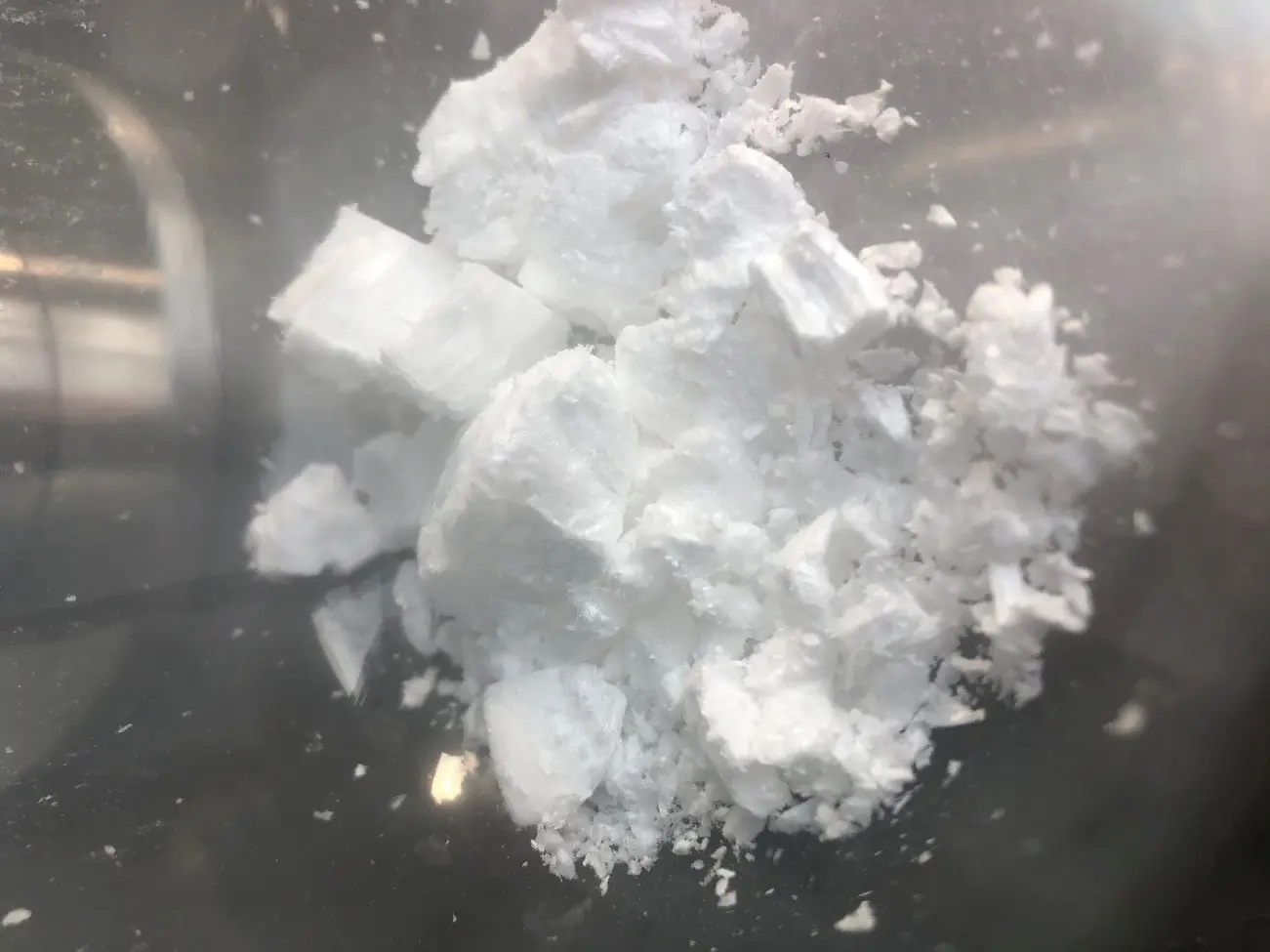
High-Quality Semax Peptide 80714-61-0 - Leading China Suppliers and Factory for High-Quality Nootropics Manufacturer, Service
Product Description
Semax is a synthetic peptide drug derived from a fragment of adrenocorticotropic hormone (ACTH). It was initially developed in Russia in the 1980s by the Institute of Molecular Genetics of the Russian Academy of Sciences. Unlike its parent hormone ACTH, which primarily affects the adrenal glands, Semax removes hormonal activity but retains and significantly enhances its potent effects on the central nervous system.
Therapeutic Areas
Semax shows great therapeutic potential primarily in the fields of neuroscience and psychiatry.
This is the main indication for which Semax has been approved in Russia. It is used in the acute and recovery phases to limit the infarct area, protect dying neurons, and promote functional recovery.
Used to treat vascular and post-traumatic cognitive impairment, it can improve memory, attention and psychological performance.
Used as an adjunct therapy, especially effective for depressive states associated with burnout and cognitive decline.
Its potential for use in Alzheimer's and Parkinson's diseases is being investigated, primarily based on its neurotrophic and protective effects.
Used to treat optic nerve damage and atrophy caused by diseases such as glaucoma.
In healthy individuals, in some regions (for non-medical purposes), it is used as a "nootropic" to enhance learning, memory, and mental concentration under stress.
Outlook & Development
Semax has a promising future, but it also faces some challenges:
Prospects and Opportunities:
The greatest potential lies in its application to a wider range of neurodegenerative diseases. Preclinical and clinical studies are underway for Alzheimer's disease, Parkinson's disease, and multiple sclerosis.
Semax may be used in combination with other neuroprotective agents or rehabilitation therapies to produce a synergistic effect and enhance treatment outcomes.
Researchers are developing analogues that are more potent and have a longer duration of action than Semax (e.g., Selank is used for anxiety, and Adamamax is a more stable version of Semax).
Currently, Semax is mainly used in Russia and some Eastern European countries. If it can pass rigorous clinical trials and obtain regulatory approval (such as FDA approval) in developed Western countries, it will greatly promote its global application.
Challenges and Future Development:
Although there has been extensive research in the former Soviet Union, its efficacy and safety still need to be confirmed through large-scale clinical trials that meet international standards (such as randomized, double-blind, placebo-controlled trials) to meet FDA and EMA requirements.
Although there is a basic understanding of its mechanism of action, more precise molecular pathways still need to be explored.
Globally, Semax has far lower awareness than traditional neurological drugs, requiring extensive market education and commercial promotion.




