
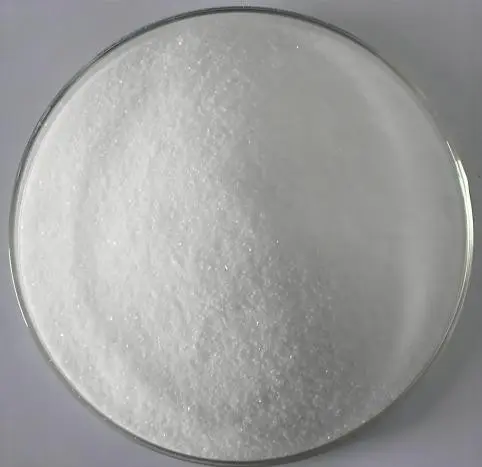

Custom Cargrilintide CAS NO: 1415456-99-3 Manufacturers, Pricelist
Product Description
Mechanism & Efficacy
Cagrilintide is a long‑acting synthetic analogue of the pancreatic hormone amylin, classified as an amylin receptor agonist. It targets amylin receptors and related pathways that regulate appetite, satiety, gastric emptying, and post‑meal glucose metabolism. By activating these pathways, Cagrilintide helps reduce food intake, prolong feelings of fullness, and support metabolic balance in research settings. It is also being studied in combination with GLP‑1 receptor agonists such as semaglutide for enhanced weight‑loss and metabolic effects.
Dosage & Research Use
Cagrilintide is evaluated primarily in clinical and preclinical research for metabolic and obesity studies. In major clinical programs such as the Phase 2 and Phase 3 “REDEFINE” trials, cagrilintide has been administered as a subcutaneous injection once weekly with a gradual dose escalation protocol to minimize gastrointestinal side effects. Target doses in these protocols frequently reached 2.4 mg per week, with initial titration starting from lower doses such as 0.3–0.5 mg during the first weeks of treatment.
Patent & Intellectual Property
Cagrilintide itself is a proprietary peptide under development by Novo Nordisk. As of now, no single publicly accessible granted patent explicitly covering Cagrilintide’s exact composition with confirmed expiration is available in major patent databases.
Quality & Compliance
Our manufacturing practices align with cGMP‑like procedures, and each batch is tested for identity, purity, and stability. Quality documentation such as Certificate of Analysis (CoA) is available to support research and regulatory needs.
Customer Service & Shipping
ThinHeal is committed to providing dependable service and seamless logistics throughout the product lifecycle. Before shipment, all products are quality‑verified and labeled with batch information. We offer comprehensive shipping solutions, including cold‑chain packaging tailored to destination and transit duration, with tracking support available. After delivery, our team is available to assist with storage conditions, technical questions, and follow‑up documentation to support research continuity.
Therapeutic Areas
Amylin, released with insulin from beta cells in the pancreas, induces its satiating effect via both the homoeostatic and hedonic regions of the brain. Semaglutide, a GLP-1 receptor agonist, reduces appetite via GLP-1 receptors in the hypothalamus and increases the production of insulin, and reduces glucagon secretion, delaying gastric emptying. These separate, but related mechanisms of action of an amylin-analog and a GLP-1 receptor agonist appear to have an additive effect on appetite reduction. Given the heterogeneity and complex pathogenesis of obesity, combination therapy with multiple pathophysiological targets is a logical approach to increasing weight loss response with pharmacotherapy. Cagrilintide alone, as well as cagrilintide in combination with semaglutide have shown promising weight loss in clinical trials that supports the further development of this therapy for sustained weight management.
Subjects were randomized (6:1) to subcutaneous self-injections of once-weekly cagrilintide, once-daily liraglutide, or volume-matched placebo. Five doses of cagrilintide were examined (0.3, 0.6, 1.2, 2.4, or 4.5 mg) compared to a single dose of liraglutide (3.0 mg) or volume-matched placebo for 6 placebo groups.
Outlook & Development
After the 26-week treatment period, the mean percentage of weight reduction from baseline was greater with all doses of cagrilintide (0.3–4.5 mg, 6.0%–10.8%) versus placebo (3.0%). Additionally, while a plateau in weight loss was observed in the placebo group at week 18, weight-loss with cagrilintide continued throughout the 26 weeks. Furthermore, cagrilintide 2.4 and 4.5 mg reduced triglycerides and very-low-density cholesterol significantly more than pooled placebo, with similar reductions as seen with liraglutide 3.0 mg.
Once-weekly cagrilintide, a long-acting amylin analog that is non-selective for the CTRs and amylin receptors, has shown promising weight-loss effects as well as improvement in cardiometabolic factors. Cagrilintide 4.5 mg was shown to produce superior weight loss than liraglutide 3.0 mg over a 26-week period. Cagrilintide has been shown to be safe and tolerable both alone and in combination with the GLP-1 receptor analog semaglutide.
Frequently Asked Questions (FAQ)
What is Cagrilintide and how does it work?
Cagrilintide is a long-acting synthetic amylin analog and receptor agonist. It works by targeting amylin receptors in the brain to regulate appetite, enhance satiety, slow gastric emptying, and support post-meal glucose metabolism.
Why is Cagrilintide combined with GLP-1 agonists like Semaglutide?
Combining Cagrilintide with a GLP-1 agonist provides complementary mechanisms targeting appetite regulation through both amylin and GLP-1 pathways, resulting in an additive effect for greater sustained weight loss.
What dosing protocol is typically evaluated in trials?
In research settings like the REDEFINE trials, Cagrilintide is evaluated via weekly subcutaneous injections, starting with a gradual titration from 0.3–0.5 mg up to target doses such as 2.4 mg or 4.5 mg to improve gastrointestinal tolerance.
What quality assurance documentation is provided?
Every research batch is tested for identity, purity, and stability under cGMP-aligned procedures, and comes with a detailed Certificate of Analysis (CoA).
How effective was Cagrilintide in 26-week clinical observations?
Clinical evaluations demonstrated weight reductions between 6.0% and 10.8% across various doses over 26 weeks, showing continued weight loss without early plateau and improvements in cardiometabolic markers.
How are shipments handled for research orders?
Products undergo pre-shipment quality verification, batch labeling, and are shipped using destination-tailored cold-chain logistics with tracking support to maintain stability.




