
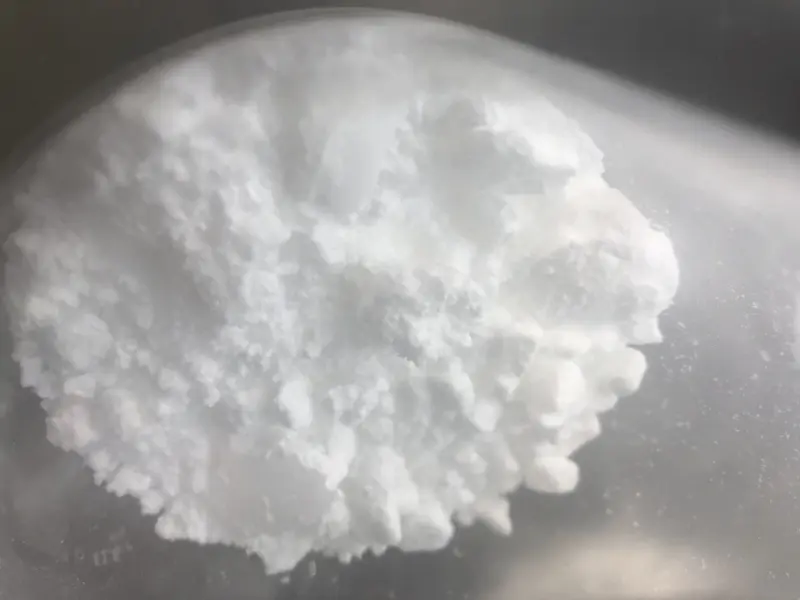
High-Quality Bremelanotide/PT141 CAS: 189691-06-3 Manufacturers, Quotes
Product Description
Bremelanotide is a synthetic melanocortin receptor agonist. Originally developed as a tanning agent, it is a metabolite of the compound MT-I and was later found to promote sexual function. Unlike most medications for erectile dysfunction in men targeting hemodynamic issues, it regulates libido by acting directly on melanocortin receptors in the central nervous system, particularly the hypothalamus. Its uniqueness lies in the fact that it is neither a hormone nor a nitric oxide pathway-based drug, and it has potential therapeutic effects in both men and women. The drug is administered via subcutaneous injection.
In 2019, its branded drug Vyleesi was approved by the U.S. FDA for the treatment of acquired and generalized sexual interest/arousal disorders in premenopausal women.
- Male Erectile Dysfunction: Especially suitable for male patients who do not respond to or cannot use such drugs (e.g., due to contraindications to nitrates). Its mechanism of action is independent of the nitric oxide pathway.
- Low Libido in Men: A potential treatment for improving libido.
- Female Sexual Dysfunction: In addition to approved indications, efficacy for other types remains under investigation.
- Antidepressant-Induced Dysfunction: A possible coping strategy for sexual dysfunction side effects caused by SSRIs.
- Provides an important alternative for patients unresponsive or intolerant to existing first-line therapies (such as PDE5 inhibitors).
- Holds a first-mover advantage as one of the few approved drugs in female sexual dysfunction.
- Acts on the central nervous system to address the core problem of "lack of sexual interest".
- Future potential depends on expanding male indications, optimizing delivery methods (e.g., nasal sprays), and improving public awareness.
- Side Effects: Common side effects include nausea, flushing, and increased blood pressure risks.
- Administration Route: Requires subcutaneous injection, which is less convenient than oral alternatives.
- Market Stigma: Underdiagnosis and social stigma remain challenges in sexual dysfunction treatment.
- Formulation Progress: Intranasal developments have slowed, focusing current efforts on commercializing female indications.
In summary, Bremelanotide is a drug with a unique mechanism of action that has been successfully marketed for specific female sexual dysfunctions. It still holds significant potential in the field of male sexual dysfunction. Its long-term success will depend on overcoming limitations related to administration inconvenience and side effects, and effectively demonstrating its unique value for patients who have failed PDE5 inhibitor therapy in a highly competitive market.




