
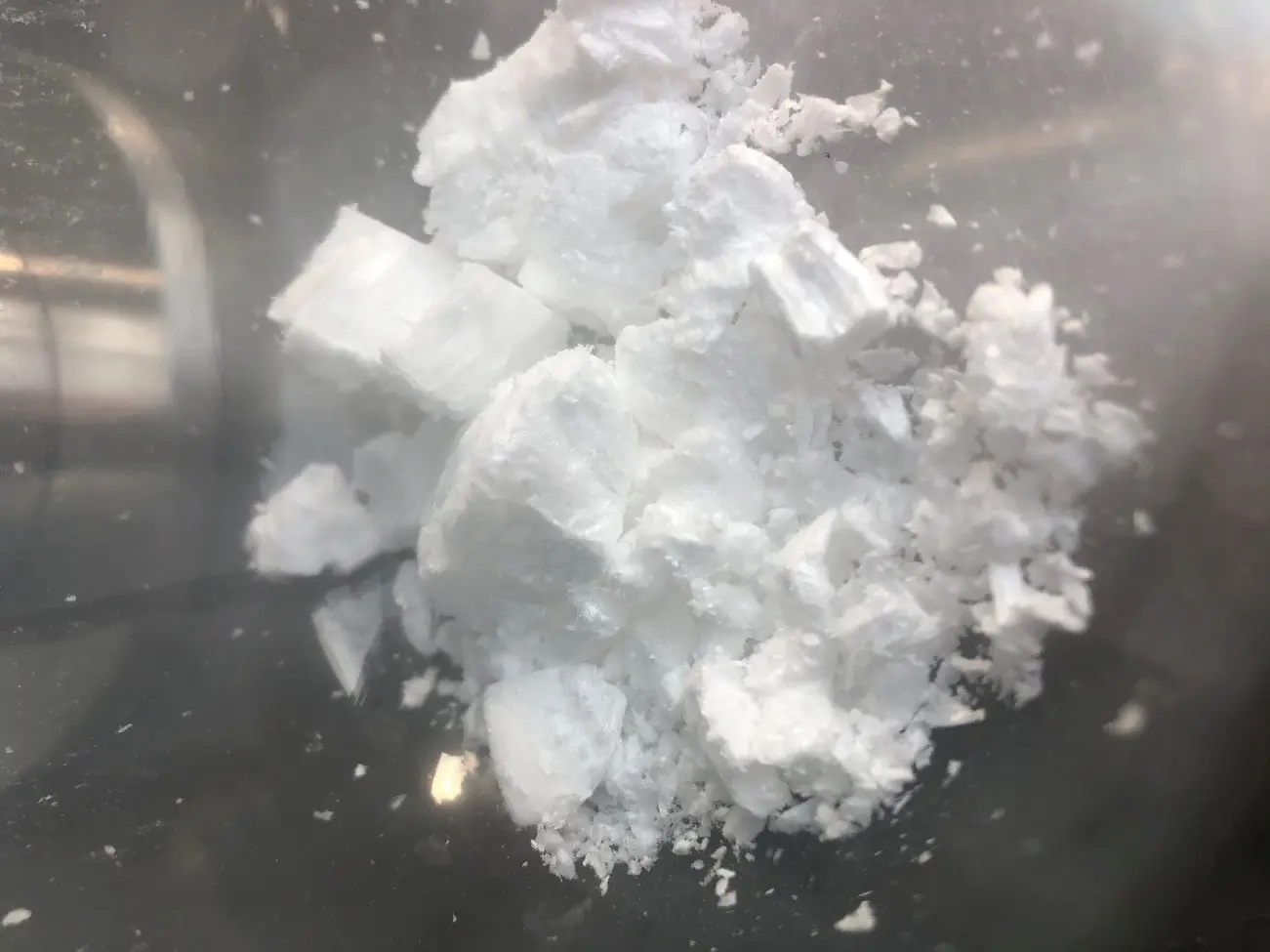
High-Quality Thymosin Alpha 1 62304-98-7 - Premium Immune Enhancer from Trusted China Suppliers and Factory Pricelist, Service
Product Description
Thymosin Alpha 1 is a 28-amino acid polypeptide initially isolated from thymic tissue. It is an important member of the thymosin family and primarily functions by regulating the immune system, enhancing T cell differentiation, maturation, and function, promoting cytokine production, and modulating innate and adaptive immune responses. It has a high safety profile and is commonly used clinically as an immune enhancer.
Therapeutic Areas
Used as adjunctive therapy for chronic hepatitis B (HBV) and chronic hepatitis C (HCV) to enhance vaccine response; also used for immune support in severe infections (such as sepsis) and respiratory infections.
As an adjunct to radiotherapy and chemotherapy, it is used to improve immunosuppressive states (such as advanced liver cancer, lung cancer, etc.) and enhance anti-tumor immunity.
Used as adjunctive therapy for primary immunodeficiency diseases and acquired immunodeficiency (such as immune reconstitution in HIV/AIDS patients).
In recent years, research has expanded to autoimmune diseases, immune regulation after severe viral infections such as COVID-19, and its application as a vaccine adjuvant.
Outlook & Development
There is increasing research in autoimmune diseases, age-related immune decline, and novel viral infections (such as long-term COVID-19 immune recovery).
Combining with immune checkpoint inhibitors such as PD-1/PD-L1 inhibitors, chemotherapy, or targeted drugs to enhance anti-tumor efficacy has become a research hotspot in tumor immunotherapy.
The development of long-acting sustained-release formulations and oral formulations (such as enteric-coated capsules) is expected to improve patient compliance and expand the scope of application.
With the advancement of immunological research, its more refined molecular mechanisms (such as the regulation of specific T cell subsets and dendritic cells) are being further elucidated, providing a basis for precision treatment.
Particularly in the Asia-Pacific region, the clinical application and market for immunotherapy are expected to continue to grow due to the rising incidence of infectious diseases and cancer, as well as the increasing demand for immunotherapy.
Frequently Asked Questions
What is Thymosin Alpha 1?
Thymosin Alpha 1 is a 28-amino acid polypeptide initially isolated from thymic tissue. It regulates the immune system, enhances T cell differentiation and function, and modulates immune responses.
Is Thymosin Alpha 1 safe to use?
Yes, it has a high safety profile and is commonly used clinically as an effective immune enhancer.
What are the primary therapeutic areas for this drug?
Its primary therapeutic areas focus on infectious diseases (like HBV, HCV, and sepsis), oncology, and immunodeficiency-related diseases (such as HIV/AIDS).
How is Thymosin Alpha 1 utilized in oncology?
In oncology, it is used as an adjunct to radiotherapy and chemotherapy to improve immunosuppressive states and enhance anti-tumor immunity.
Are there any new formulations being developed?
Yes, the development of long-acting sustained-release formulations and oral formulations (such as enteric-coated capsules) is currently underway to improve patient compliance.
What are the future prospects for Thymosin Alpha 1?
Future prospects are highly promising, focusing on expanding new indications, utilizing combination therapy strategies (like PD-1/PD-L1 inhibitors), and experiencing global market growth, particularly in the Asia-Pacific region.




