
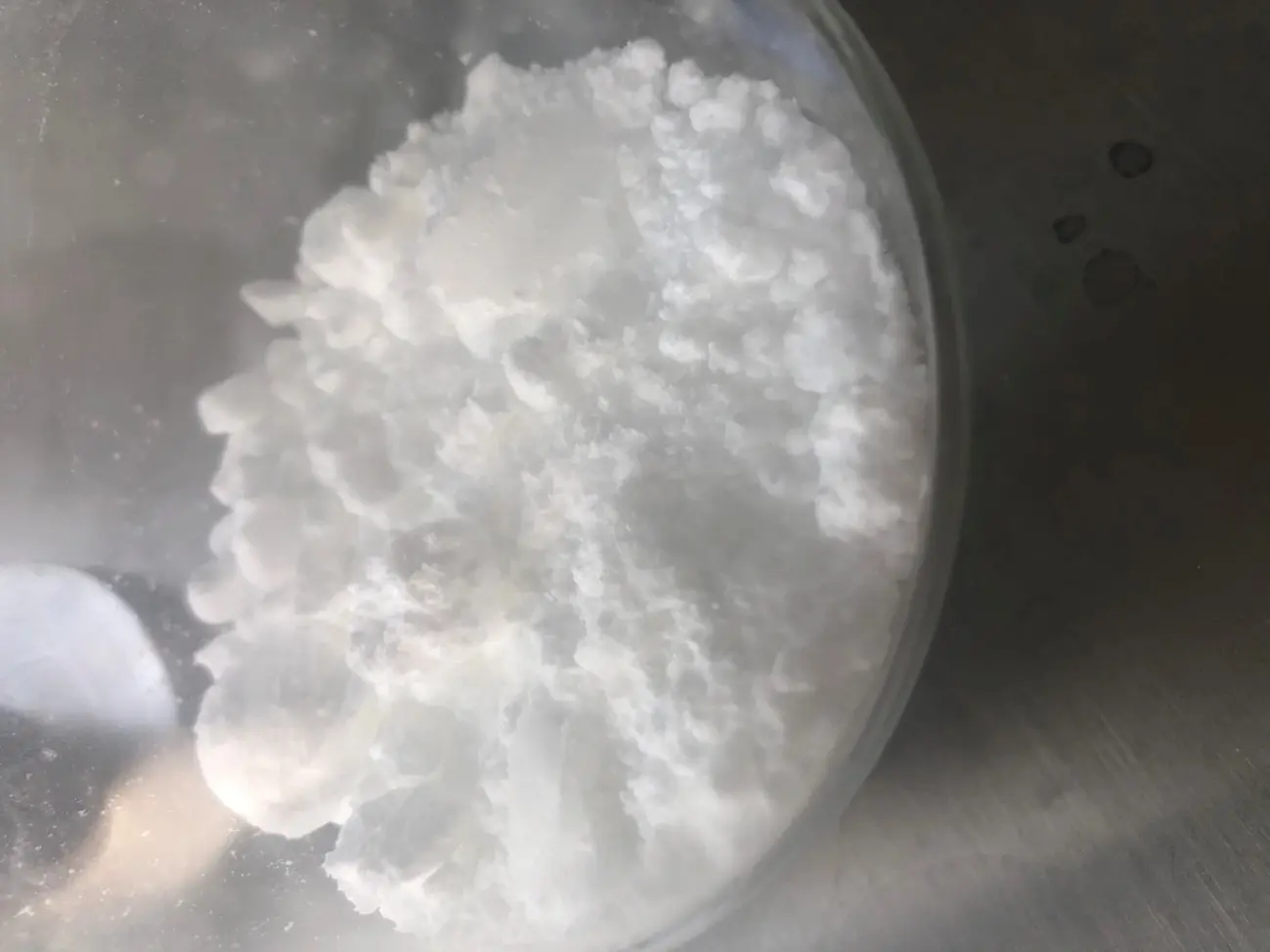
High-Quality Tesamorelin CAS 218949-48-5: China Factory Suppliers for Growth Hormone-Releasing Hormone Analog Manufacturer, Quotes
Product Description
Tesamorelin is a synthetic growth hormone-releasing hormone analog. Its core function is to stimulate the pituitary gland to secrete growth hormone, thereby increasing the level of insulin-like growth factor-1. Unlike direct growth hormone administration, Tesamorelin works through a physiological regulatory mechanism, and is considered to have better targeting and a lower risk of side effects. Its most notable feature is its ability to selectively reduce visceral fat, rather than achieving systemic fat reduction or muscle gain. This makes it uniquely valuable in treating metabolic disorders associated with visceral fat accumulation.
Tesamorelin's primary approved and investigated therapeutic areas focus on metabolic complications associated with HIV infection, and it is expanding into a wider range of metabolic diseases.
Tesamorelin's prospects and development mainly revolve around its transformation from a "drug repurposing" approach, moving from a specialty drug for treating HIV-related complications to a potential blockbuster drug for treating a wide range of metabolic diseases, especially NASH.
In summary, Tesamorelin is at a critical turning point in its development. It has evolved from a successful specialty drug into a potentially important treatment for common metabolic diseases such as NASH. Its performance in late-stage clinical trials for NASH will directly determine its future market value and the breadth of its clinical applications.




