
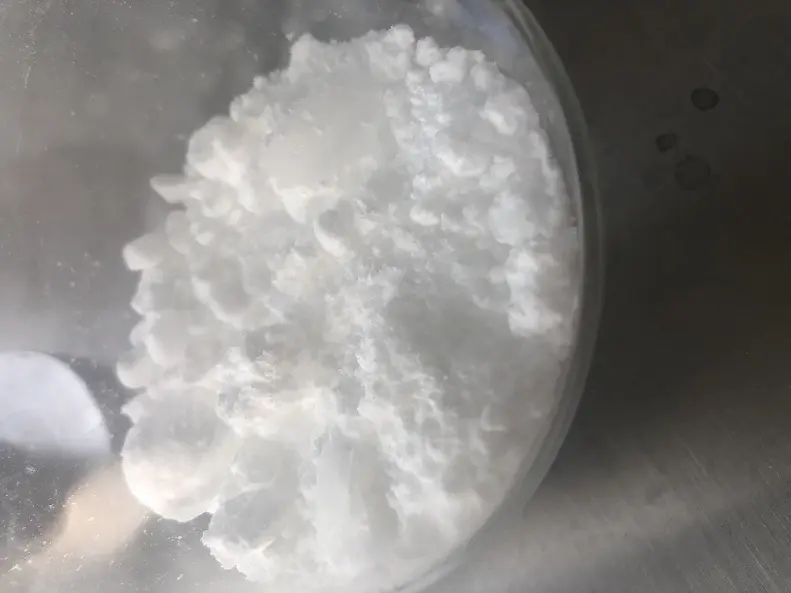
High-Quality Thymosin β4 acetate (TB500) CAS: 77591-33-4 Quotes, Pricelist
Product Description
Thymosin β4 (Tβ4) is a naturally occurring polypeptide composed of 43 amino acids, widely expressed in the human body. As an important member of the actin-binding protein family originally isolated from the thymus, its core biological functions include promoting cell migration, proliferation, and differentiation; inhibiting inflammation and apoptosis; and driving angiogenesis and wound healing. Extensive scientific research continues to explore its vast therapeutic potential.
Key Therapeutic Areas
Research on Thymosin β4 spans multiple therapeutic fields, ranging from advanced clinical trials to promising preclinical investigations:
1. Tissue Repair & Wound Healing
The most thoroughly researched field. Tβ4 accelerates repair via several mechanisms:
- Cell Migration: Promotes movement of keratinocytes and endothelial cells to accelerate epithelialization.
- Angiogenesis: Stimulates new blood vessel formation to supply oxygen and nutrients.
- Anti-Inflammatory: Reduces inflammatory cell infiltration and enhances microenvironment.
- Anti-Fibrotic: Regulates collagen production to minimize scar formation.
- Skin Ulcers: Diabetic foot ulcers, pressure sores, and varicose ulcers (e.g., RGN-137 clinical trials).
- Corneal Injury: Promotes epithelial regeneration for chemical burns, erosions, and dry eye syndrome.
- Oral Mucositis: Speeds healing of chemo/radiotherapy side effects.
2. Cardiovascular Protection
Following a myocardial infarction (heart attack), Tβ4 exhibits protective and regenerative properties:
- Cardiomyocyte Survival: Reduces cardiac cell apoptosis.
- Vascularization: Enhances blood flow to the infarcted tissue area.
- Stem Cell Recruitment: Mobilizes endogenous cardiac progenitor cells for myocardial regeneration.
- Cardiac Function: Minimizes scar tissue to improve overall cardiac output.
Primary focus is acute myocardial infarction recovery and chronic heart failure treatment (e.g., early REGEN clinical trials).
3. Neurological Disorders
Leveraging neurotrophic and neuroprotective capabilities, Tβ4 presents potential in neuro-therapies:
- Ischemic Stroke: Reduces infarct size, promotes neurogenesis/angiogenesis, and improves motor recovery.
- Multiple Sclerosis: Exhibits strong anti-inflammatory and myelin regeneration-promoting effects.
- Traumatic Brain & Spinal Injury: Protects neurological function through anti-apoptotic and neuroplasticity pathways.
4. Emerging Applications
- Hair Regeneration: Activates hair follicle stem cells, shifting follicles from resting to active growth phase (anagen).
- Anti-Aging Medicine: Acts as a regenerative molecule maintaining stem cell activity and counteracting age-related tissue decline.
- Organ Fibrosis: Anti-fibrotic properties are actively investigated for treating liver cirrhosis and pulmonary fibrosis.
Outlook & Clinical Development
Opportunities & Strengths
- Multi-Target Mechanism: Synergistically promotes tissue repair across multiple pathways simultaneously.
- High Safety Profile: Natural endogenous protein, resulting in low immunogenicity.
- Advanced Ophthalmic & Dermatological Progress: Eye drops and gels represent the closest products to full commercialization.
- Regenerative Medicine Focus: Key molecule for stem cell activation and anti-aging research.
Challenges & Limitations
- Clinical Inconsistency: Cardiac repair trials have shown mixed outcomes requiring broader validation.
- Drug Delivery Obstacles: Peptide nature causes rapid oral degradation; targets require precise local or systemic delivery.
- Regulatory & Financial Hurdles: High costs and strict regulatory endpoints slow translational progress.
- Complex Molecular Pathways: Precise target signaling networks require deeper elucidation.
Current Clinical Status Summary
- Stage: Most indications remain in preclinical or early-to-mid clinical phases.
- Topical Formulations: Lead the way in development (e.g., gels for skin wound healing, eye drops for corneal repair such as RGN-137).
- Systemic Delivery: Applications for heart disease and stroke progress slowly due to delivery complexities.
- Industry Efforts: Specialized biotech firms continue to advance targeted clinical trials.
Conclusion
Thymosin β4 holds immense promise in regenerative medicine. Rather than a universal panacea, its immediate breakthrough lies in specific localized therapies, notably ophthalmic and dermatological wound repair.
Long-term success depends on proving consistent efficacy in large-scale clinical trials and refining peptide delivery technologies. It stands as a pivotal molecule in tissue regeneration research.




