
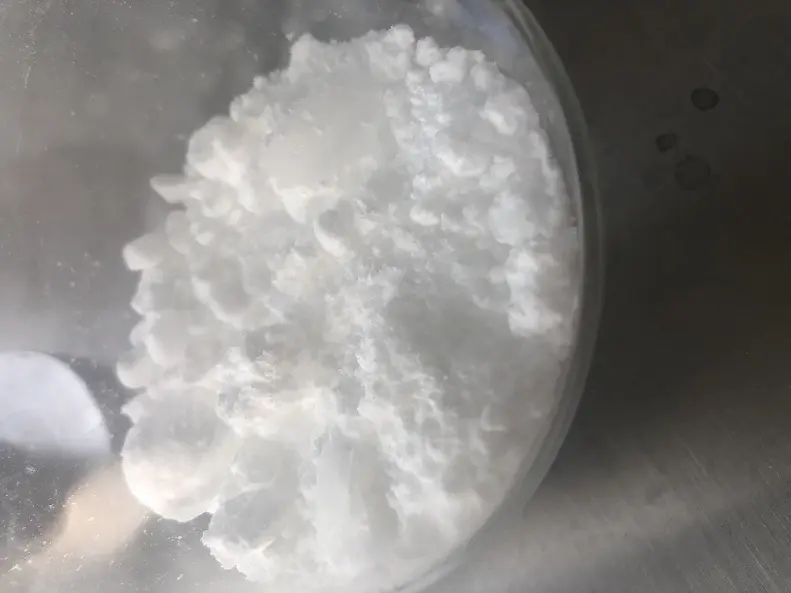
High-Quality Selank CAS: 129954-34-3 Manufacturer, Service
Product Description
Selank is a synthetic peptide drug derived from the natural immunomodulatory peptide tuftsin found in the human body. It was initially developed by Russian scientists in the 1990s as a drug with anti-anxiety effects, but without the sedative, addictive, and cognitive impairment side effects commonly found in traditional benzodiazepines (such as diazepam).
Its mechanism of action is highly complex and not yet fully elucidated, but it is known to work by regulating the GABA system (the brain's primary inhibitory neurotransmitter), influencing the release of endogenous opioid peptides, and modulating the levels of key neurotransmitters such as serotonin and dopamine. Furthermore, Selank can increase the levels of brain-derived neurotrophic factor (BDNF), which is crucial for neuroplasticity and cognitive function.
Therapeutic Areas
Based on preclinical and clinical research, Selank is primarily used in the following therapeutic areas:
This is Selank's primary application. It effectively reduces anxiety and tension without causing drowsiness or "mental dullness." It has also been shown to improve mood and alleviate anhedonia (the inability to experience pleasure) in patients with depression accompanied by anxiety.
Selank is considered a "nootropic drug" or "smart drug." Studies have shown that it can improve learning and memory, enhance concentration, and increase the brain's resistance to stress.
Due to its powerful anti-anxiety effects and ability to modulate fear memories, Selank has been studied for the treatment of PTSD, helping patients manage hypervigilance and intrusive memories.
Because it is derived from the immune peptide tuftsin, Selank has also been found to have immunomodulatory properties, which can enhance the body's resistance to infection.
Outlook & Development
Selank has a promising future, but it also faces some challenges in global adoption and drug optimization.
Positive Prospects
- Excellent Safety Profile: Extremely low incidence of side effects and non-addictive nature compared to mainstream anti-anxiety medications, making it ideal for long-term treatment.
- Multi-Target Action: Complex mechanism of action provides better efficacy for complex diseases accompanied by anxiety.
- Nootropic Properties: Combines mood improvement with cognitive enhancement, appealing particularly to elderly patients or those with cognitive decline.
- Expanding Research Scope: Potential applications are being explored in obsessive-compulsive disorder (OCD), anorexia nervosa, and adjunct treatment for opioid addiction.
Challenges & Development Directions
- Regulatory Approval: Mainly approved in Russia and some CIS countries; lacks approval from the US FDA or European EMA, limiting global use.
- Larger-Scale Clinical Trials: Requires rigorous randomized, double-blind, placebo-controlled trials to confirm efficacy and safety internationally.
- In-Depth Mechanism Study: Molecular pathways need further elucidation to optimize drug design and discover new indications.
- Administration Improvements: Current nasal spray and injection forms drive the need to develop convenient oral formulations or transdermal patches.
In Conclusion
Selank represents a new class of psychotropic drugs that exert their effects through multi-system modulation, providing anti-anxiety and antidepressant benefits while avoiding the key drawbacks of traditional medications. Although its global development is limited by regulation and the availability of larger-scale clinical data, its superior safety profile and unique multi-functional therapeutic potential make it a highly promising drug in the fields of mental health and cognitive enhancement. With further research, Selank is expected to become an important complement to mainstream psychopharmacological treatments.




