Active Peptide API Portfolio & Reference Analogues
Thinheal delivers commercial-grade chemically synthesized peptides characterized by high purity thresholds, comprehensive mass spectrometry (MS), and validated HPLC analytical profiles.
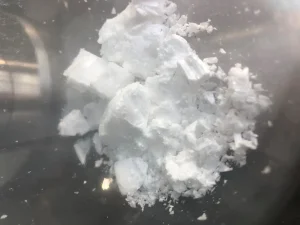
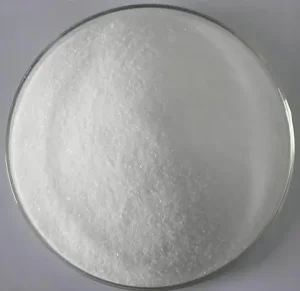
Delta Sleep-Inducing Peptide (DSIP): Biochemical Mechanics & Modern Market Evolution
Discovered as an endogenous regulatory nonapeptide (Trp-Ala-Gly-Gly-Asp-Ala-Ser-Gly-Glu), DSIP occupies a pivotal nexus in neuroendocrine research, stress-response mitigation, and slow-wave delta-wave sleep induction.
Neuro-Modulatory Mechanisms
Unlike typical synthetic hypnotics that bind allosterically to GABA-A receptor assemblies and cause motor coordination impairments, DSIP acts through complex neuromodulatory pathways. It optimizes central monoamine turnover, influences hypothalamic corticotropin-releasing factor (CRF) production, and fosters natural physiological sleep architecture without precipitating habituation or tolerance.
Oxidative Stress & Epigenetic Modulation
Emerging research has highlighted DSIP's role in attenuating lipid peroxidation and scavenging reactive oxygen species (ROS). By moderating sympathetic hyperactivation under severe stress environments, the peptide aids in neuroprotection, stabilization of myocardial membranes, and preservation of mitochondrial respiratory chain integrity under ischemic conditions.
Structural Synthesis Challenges
Synthetic manufacturing of DSIP necessitates stringent stereochemical preservation. The inclusion of aspartic acid (Asp) and serine (Ser) residues presents distinct vulnerabilities to aspartimide formation and beta-elimination during repetitive Fmoc-deprotection cycles, demanding exact orthogonal protecting groups and monitored cleavage chemistries.
Global Corporate Procurement Imperatives for DSIP & Bioactive Peptides
Pharmaceutical contract developers, institutional researchers, and clinical-stage commercial enterprises operate under strict regulatory and operational parameters when procuring therapeutic and generic peptides.
| Evaluation Parameter | Legacy Supplier Standard | Thinheal Advanced Industrial Standard | Commercial Impact |
|---|---|---|---|
| HPLC Chromatographic Purity | ≥ 95.0% by single-wavelength UV detection | ≥ 98.5% to ≥ 99.0% (validated orthogonal RP-HPLC) | Eliminates trace isomer co-elution and mitigates baseline off-target bioactivity. |
| Residual Solvent Limits | Generic ICH Q3C limits without trace TFA assays | Validated Headspace GC-MS; TFA content ≤ 0.25% or optional acetate/HCl conversion | Guarantees physiological compatibility and prevents batch cytotoxicity in sensitive cell cultures. |
| Bacterial Endotoxin Controls | ≤ 10–20 EU/mg (frequently unverified) | Turbidimetric LAL tested; < 0.05 EU/mg achievable for parenterals | Provides seamless compliance for preclinical in vivo and translational clinical trials. |
| Supply Chain Scale & Lead Times | Gram-scale laboratory batches; 8–12 week lead times | Kilogram to multi-ton aggregated industrial batch capacity | Shields multinational sponsors from market shortages and raw material price volatility. |
China Factory 4.0: Supply Chain Resilience, Automation & Scale
Hangzhou Thinheal Pharma-Tech leverages digitalized solid-phase peptide synthesis (SPPS), liquid-phase condensation technologies, and strict process analytical technology (PAT) to set new standards in efficiency.
Automated Synthesis & Process Analytical Technology (PAT)
Our Hangzhou manufacturing facilities employ closed-loop computer-controlled synthesis reactors. Real-time UV-monitored Fmoc deprotection and automated amino acid coupling minimize truncated sequence artifacts and deletion peptides, maximizing raw chemical conversion yields while minimizing solvent footprints.
Vertical Raw Material Autonomy
Supply disruptions often stem from shortages of high-purity protected amino acids, resins, and coupling reagents (e.g., HATU, PyBOP, HOBt). Thinheal integrates backwards into domestic chemical precursors, guaranteeing uncompromised upstream supply resilience against fluctuating international logistics.
Preparative Industrial Purification
Equipped with high-pressure DAC (Dynamic Axial Compression) chromatography columns up to 1000mm in diameter and continuous industrial lyophilization suites, Thinheal ensures rapid transformation from crude peptide matrix to dry, crystalline, pharmaceutical-grade API bulk cakes within days.
Localized Application Scenarios & Downstream Formulations
From institutional neuroscience to cutting-edge regenerative aesthetic research, Delta Sleep-Inducing Peptide and its complementary therapeutic classes serve diverse industry use-cases.
Neurorestorative & Circadian Research
Applied in translational clinical research exploring sleep architecture re-synchronization, chronic insomnia alleviation, shift-work disorder reversal, and psychiatric stress-induced electroencephalogram (EEG) delta-wave deficit rehabilitation.
Aesthetic & Neuro-Cosmetic Formulas
Integrated into specialized cosmeceutical topicals focused on neurogenic inflammation mitigation, barrier-repair signaling, skin circadian rhythm recovery, and oxidative stress neutralization caused by chronic environmental stressors.
Metabolic & Synergistic API Programs
Co-administered in investigative models pairing DSIP with metabolic regulators such as GLP-1/GIP agonists, Thymosin Alpha-1, or tissue-repair peptides (BPC-157) to analyze holistic autonomic nervous recovery and cellular restoration.
Frequently Asked Sourcing & Technical Questions
Essential considerations for procurement teams, QA professionals, and formulation scientists reviewing Delta Sleep Inducing Peptide suppliers.
Complementary Therapeutic & Bioactive Peptides
Discover our comprehensive range of GLP-1/GIP agonists, regenerative tissue agents, neuro-actives, and cosmetic peptides ready for immediate supply and custom synthesis.