
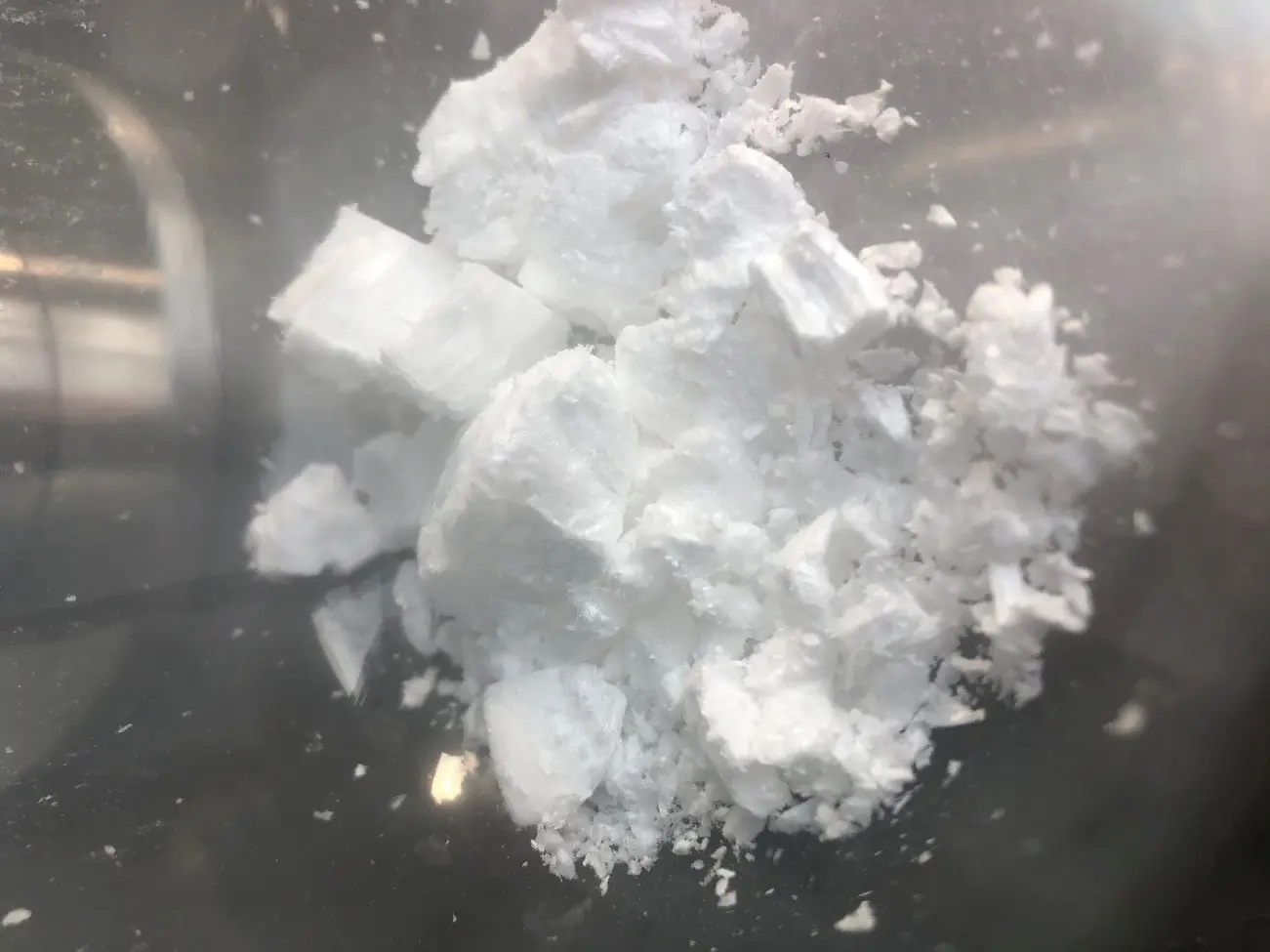
Custom Eptifibatide CAS 188627-80-7 - Top China Suppliers & Factory for Platelet Aggregation Inhibition Quotes, Pricelist
Product Description
Eptifibatide is a competitive antagonist of activated platelet glycoprotein IIb/IIIa receptors, which play a key role in platelet aggregation. By binding to this receptor, Eptifibatide effectively inhibits the binding of fibrinogen to other adhesion molecules, thereby preventing platelet activation and aggregation. This action significantly reduces the risk of thrombosis, which is the main cause of heart attacks and other cardiovascular events.
Therapeutic Areas
Eptifibatide, a breakthrough cyclic heptapeptide, is setting a new standard for the treatment of acute coronary syndrome and other cardiovascular diseases. With its unique mechanism of action and proven efficacy, Eptifibatide is expected to become an important part of modern antiplatelet therapy.
Numerous clinical trials have demonstrated the effectiveness of eptifibatide in reducing adverse cardiovascular events. Patients who received eptifibatide in combination with standard antiplatelet therapy had significantly reduced rates of myocardial infarction and the need for urgent revascularization procedures. Eptifibatide has a rapid onset of action and a short half-life, making it an ideal choice for emergency use, allowing for rapid intervention in critical situations.
The safety and tolerability of eptifibatide have been extensively studied. While all antiplatelet therapies carry some risk of bleeding, eptifibatide is well characterized and generally well tolerated by patients. Close monitoring of patients receiving eptifibatide ensures that any potential adverse effects are addressed promptly, making it a reliable option for healthcare providers.
Outlook & Development
Eptifibatide is indicated for patients with acute coronary syndrome, including those undergoing percutaneous coronary intervention (PCI). The drug is administered intravenously, allowing precise dosing and rapid adjustment based on the patient’s clinical condition. Eptifibatide is flexible in dosing and is suitable for a variety of clinical scenarios, from the emergency department to the intensive care unit.
As the field of cardiology continues to advance, eptifibatide has become an important tool in the fight against cardiovascular disease. Its innovative mechanism of action, proven clinical efficacy, and favorable safety profile make it an indispensable and valuable resource for medical professionals committed to improving patient outcomes. By incorporating eptifibatide into treatment regimens, clinicians can enhance the management of acute coronary syndromes and provide optimal treatment for patients.
In short, eptifibatide is more than just an antiplatelet drug, it is a transformative therapy that represents the future of cardiovascular treatment. Eptifibatide can effectively inhibit platelet aggregation and reduce the risk of thrombotic events, and will surely play a key role in the ongoing fight against heart disease. Eptifibatide, embrace the future of antiplatelet therapy - the perfect combination of innovation and patient care.
Eptifibatide is a competitive antagonist of activated platelet glycoprotein IIb/IIIa receptors, functioning as a revolutionary antiplatelet therapy for cardiovascular diseases.
It binds to the glycoprotein IIb/IIIa receptor, effectively inhibiting the binding of fibrinogen to other adhesion molecules. This prevents platelet activation and aggregation.
It is primarily indicated for patients with acute coronary syndrome, including those who are undergoing percutaneous coronary intervention (PCI).
The drug is administered intravenously. This method allows for precise dosing and rapid adjustments based on the patient's real-time clinical condition.
Yes. Due to its rapid onset of action and short half-life, combined with a generally well-tolerated safety profile under close monitoring, it is an ideal choice for critical and emergency interventions.




