
Essential Peptides for Algiers Secondary Manufacturing
Certified active pharmaceutical ingredients validated for Algerian formulation suites, bioequivalence trials, and specialized metabolic therapeutic development.
Custom Dulaglutide CAS NO:923950-08-7 - Algiers Therapeutic Grade
High-purity GLP-1 Fc-fusion analogue designed for commercial injectable formulation, supported by complete analytical method validation.
View Product Details
High-Quality Survodutide CAS: 2805997-46-8 - Algiers Import Dossier
Dual GLP-1/Glucagon receptor agonist synthesized under stringent cGMP conditions, offering exceptional batch consistency for metabolic pipelines.
Request API Quotation
Custom Cargrilintide CAS NO: 1415456-99-3 - Algiers Formulation Series
Long-acting amylin analogue manufactured with ultra-low host residual profiles, optimized for co-formulation research and industrial trials.
Check Bulk Pricing
Custom Deslorelin CAS 57773-65-6 – Premium GnRH Analog for Algiers
Potent synthetic GnRH receptor agonist for clinical and veterinary endocrine applications, supplied with full stability profile data.
Inquire SpecificationThe Algiers Pharmaceutical Landscape & GLP-2 Sourcing Imperatives
Navigating the intersection of Algerian National Pharmaceutical Agency (ANPP) mandates, local production substitution, and critical gastrointestinal patient needs.
Localization Policies & Public Health Modernization
Algeria has firmly established itself as one of the most proactive and rapidly growing pharmaceutical manufacturing hubs in the Middle East and North Africa (MENA) region. Guided by executive directives from the Ministry of Pharmaceutical Industry and enforced by the Agence Nationale des Produits Pharmaceutiques (ANPP), the central government has imposed stringent import restrictions on finished pharmaceutical products whenever domestic production capabilities exist.
While secondary production (formulation, sterile vial filling, lyophilization, and secondary packaging) has matured for small molecules and oral solid dosages, advanced peptide injectables represent the critical next frontier. Local pharmaceutical giants and public ventures across the wilayas of Algiers, Blida, and Constantine are actively pivoting toward high-barrier biomanufacturing. For therapeutic peptide segments such as GLP-2 analogues (Teduglutide, Apraglutide), reliance on exorbitantly priced imported European finished units creates immense fiscal pressure on the national health reimbursement fund (CNAS) and the central procurement authority (Pharmacie Centrale des Hôpitaux - PCH).
Bridging the API Import Gap with Direct Factory Procurement
To establish competitive finished-dosage production lines within Algeria, domestic manufacturers require direct access to primary peptide Active Pharmaceutical Ingredients (APIs) backed by comprehensive technical dossiers. Importing European commercial brands leaves zero margin for local industrial formulation. Consequently, Algerian pharmaceutical companies are securing qualified API supply agreements with upstream synthesis leaders capable of delivering multi-ton production capacities, international cGMP compliance, and full CTD (Common Technical Document) Module 3 support.
By partnering directly with a high-capacity Chinese peptide API manufacturer, Algerian pharmaceutical enterprises bypass intermediate trading markups, secure localized priority pricing for PCH hospital tenders, and guarantee continuity of supply against volatile global logistics routes entering the Port of Algiers or Houari Boumediene International Airport (ALG).
Localized Clinical & Hospital Application Scenarios for GLP-2
Targeting underserved gastroenterological conditions and severe intestinal failure across premier medical centers in Algiers and surrounding wilayas.
Short Bowel Syndrome (SBS) Management
Short Bowel Syndrome intestinal failure (SBS-IF) represents a devastating condition characterized by severe malabsorption, chronic dehydration, and total dependence on Parenteral Nutrition (PN). In tertiary referral facilities such as Centre Hospitalo-Universitaire (CHU) Mustapha Pacha and CHU Bab El Oued in Algiers, long-term PN administration imposes significant catheter-related bloodstream infection risks, thrombotic complications, and astronomical inpatient expenses. GLP-2 analogues, specifically [Gly2]-GLP-2 (Teduglutide), directly stimulate intestinal crypt cell proliferation, expand villus height, enhance mucosal surface area, and dramatically reduce parenteral fluid requirements.
Oncology-Induced Mucositis Intervention
At oncology institutions including the Centre Pierre et Marie Curie (CPMC) in Algiers, aggressive antineoplastic chemotherapeutic protocols (e.g., 5-FU, irinotecan) frequently trigger severe gastrointestinal mucositis, bowel atrophy, and agonizing epithelial ulceration. GLP-2 exerts targeted trophic actions on the enteric epithelium without stimulating non-GI malignancy proliferation. By maintaining barrier integrity and down-regulating local mucosal apoptotic pathways, GLP-2 analogues represent an essential supportive therapy for cancer patients undergoing intensive cytotoxic regimens.
Inflammatory Bowel Disease & Enterocutaneous Fistulas
The clinical incidence of Crohn’s Disease and refractory ulcerative colitis has escalated across urban Algerian populations. Patients presenting with refractory mucosal lesions, non-healing enterocutaneous fistulae, and post-surgical anastomotic leakages require potent regenerative stimulation. Secondary formulation manufacturers targeting PCH hospital tenders are actively developing stable, preservative-free subcutaneous GLP-2 analogues to accelerate mucosal healing, restore epithelial tight junctions, and shorten clinical recovery trajectories.
Technical Synthesis Roadmap: Chemical Engineering of GLP-2 Analogues
Overcoming steric hindrance, sequence aggregation, and purity degradation through automated high-throughput Solid-Phase Peptide Synthesis (SPPS).
Overcoming the 33-Amino Acid Synthetic Barrier
GLP-2 and its therapeutic analogue Teduglutide represent a 33-amino acid sequence with notable peptide chemistry challenges: H-His-Gly-Asp-Gly-Ser-Phe-Ser-Asp-Glu-Met-Asn-Thr-Ile-Leu-Asp-Asn-Leu-Ala-Ala-Arg-Asp-Phe-Ile-Asn-Trp-Leu-Ile-Gln-Thr-Lys-Ile-Thr-Asp-OH. The presence of hydrophobic patches, multiple aspartyl residues prone to aspartimide formation, and steric clustering around isoleucine and leucine residues render traditional liquid-phase synthesis economically unfeasible and technically error-prone.
Our Hangzhou manufacturing facilities employ advanced Fmoc-based Solid-Phase Peptide Synthesis (Fmoc-SPPS) on customized high-swelling resin substrates (such as Wang resin or 2-Chlorotrityl chloride resin) utilizing pseudo-proline dipeptides and backbone protecting groups at strategic coordinates (specifically Thr(ψMe,Mepro)-Ser or Asp-Gly pairs). This effectively disrupts inter-chain β-sheet aggregation during solid-phase elongation, pushing crude purity yields past 88% prior to preparative chromatography.
Stereochemical & Counter-Ion Optimization
A critical challenge for Algerian sterile formulation facilities is counter-ion management and residual solvent control. Standard peptide cleavage protocols yield trifluoroacetate (TFA) salts, which exhibit cellular cytotoxicity and fail strict pharmacopoeial limits for chronic injectable use. Our dedicated downstream purification incorporates a proprietary two-step orthogonal reverse-phase HPLC system: primary organic/aqueous gradient separation followed by an automated, ion-exchange counter-ion conversion process that delivers pure Acetate salt forms with residual TFA concentrations controlled to less than 0.1%.
Furthermore, chiral purity is continuously monitored via high-resolution tandem mass spectrometry (HR-MS) and ultra-performance liquid chromatography (UPLC), ensuring that D-amino acid enantiomeric impurities do not exceed 0.2%, directly satisfying the stringent impurity criteria outlined by the European Pharmacopoeia (Ph. Eur.) and US Pharmacopeia (USP).
| Analytical Parameter | Release Specification (Teduglutide / GLP-2 API) | Methodology / Analytical Instrument | ANPP Compliance Alignment |
|---|---|---|---|
| Chemical Identity | Conforms to theoretical molecular weight (3752.1 ± 1.0 Da) | ESI-MS / HR-Q-TOF | ICH Q6A / CTD Module 3.2.S.1 |
| Chromatographic Purity | ≥ 99.0% (Single Impurity < 0.5%) | Orthogonal RP-HPLC (Dual Column System) | Ph. Eur. 2034 / USP <621> |
| Assay (Peptide Content) | ≥ 85.0% (Anhydrous, Solvent-Free Basis) | Quantitative Amino Acid Analysis (AAA) / HPLC | ICH Q2(R1) Validated |
| Counter-Ion Content | Acetate: 4.0% – 10.0% (TFA < 0.1%) | Ion Chromatography (IC) / Headspace GC | USP <591> / EP 2.2.46 |
| Bacterial Endotoxins | < 5.0 EU/mg (Formulation Ready) | Kinetic Turbidimetric LAL Testing | USP <85> / EP 2.6.14 |
| Bioburden / Microbial Limits | Total Aerobic Microbial Count (TAMC) < 100 CFU/g | Membrane Filtration / Incubation | USP <61> / EP 2.6.12 |
Global Commercial Status & Algiers Market Realities
Evaluating the global evolution of GLP-2 analogues from orphan blockbusters to multi-target co-agonists, and capturing the emerging North African generic window.
The Global GLP-2 Oligopoly & Patent Expirations
Historically, the global GLP-2 therapeutic market has been monopolized by pioneer originator brands (such as Gattex® / Revestive®, marketed by Takeda/Shire), commanding retail pricing exceeding $300,000 per patient annually. This extreme price barrier has effectively prohibited widespread clinical adoption in middle-income countries. However, as core patent protections approach expiration across primary international jurisdictions, the pathway has opened for generic dossier filings. Global market forecasts project the GLP-2 and gut mucosal therapy sector to expand at a compound annual growth rate (CAGR) of 8.4% through 2032, propelled by next-generation formulations.
Pipeline Innovation: Apraglutide & Glepaglutide
Beyond native Teduglutide, global pharmaceutical R&D is aggressively validating modified analogues. Apraglutide (a synthetic GLP-2 analogue with non-coded amino acid substitutions providing an extended half-life) enables once-weekly subcutaneous dosing compared to daily injections. Concurrently, novel GLP-1/GLP-2 co-agonists are entering phase 2/3 clinical evaluations to treat complex metabolic and enteropathic syndromes simultaneously. Algerian pharmaceutical innovators can secure early synthesis samples and pilot quantities to prepare proprietary formulation patents within North African jurisdictions.
Algiers Price Arbitrage & PCH Tender Capture
In Algeria, public hospital procurements via Pharmacie Centrale des Hôpitaux are intensely sensitive to cost per unit. Localizing GLP-2 formulation creates a massive price arbitrage: finished generic injectable vials can be supplied to the Algerian healthcare system at a fraction of imported originator pricing while generating healthy profit margins for the local license holder. Securing low-cost, bulk API from a verified Chinese multi-ton synthesis manufacturer is the foundational prerequisite for submitting winning bids to upcoming national tenders.
China Factory Supply Chain Resilience: Powering Algiers Partners
Why China's multi-ton automated synthesis infrastructure and full chemical backward integration provide unparalleled reliability for Algerian pharmaceutical buyers.
Full Backward Integration & Multi-Ton Reactor Capacity
Our Hangzhou production base integrates over 1,000-liter automated peptide solid-phase reactors alongside multi-ton annual chemical peptide throughput. Unlike Western CDMOs that outsource basic starting materials, our operations benefit from direct backward integration into upstream key raw materials: proprietary synthesis of Fmoc-protected amino acids, coupling agents (DIC, HOBt, OxymaPure), and specialized cleavage matrices.
This vertical integration insulates our Algerian partners from upstream price volatility, raw material shortages, and geopolitically induced lead-time delays. Whether your production schedule demands 50 grams for clinical stability validation or multi-kilogram batches for commercial filling campaigns, our continuous reactor scheduling ensures exact delivery timelines with identical impurity fingerprints across consecutive validation lots.
Cold-Chain Logistics & Customs Facilitation for Algiers
Biopharmaceutical peptide APIs are inherently susceptible to thermochemical degradation, deamidation, and aggregation if exposed to adverse thermal excursions during international transit. We have engineered a specialized, validated cold-chain export protocol specifically calibrated for shipping to Algiers:
- Qualified Temperature Regimes: Deep-frozen shipment (-20°C ± 5°C) or controlled refrigerated courier (2°C – 8°C) utilizing validated VIP (Vacuum Insulated Panel) thermal packaging and multi-sensor data loggers.
- Direct Air-Cargo Corridors: Direct and priority air routes from Shanghai (PVG) and Hangzhou (HGH) to Houari Boumediene Airport (ALG) minimizing transshipment holding delays.
- Algiers Customs Pre-Clearance: Provision of complete proforma invoices, Certificate of Analysis (CoA), non-dangerous goods declarations, and technical datasheets in both English and French to accelerate customs clearance through Algerian port authorities.
Regulatory Compliance & ANPP Dossier Technical Support
Comprehensive Common Technical Document (CTD) Module 3 packages engineered to streamline national drug authorization in Algeria.
Complete CTD Module 3 Data Packages
To successfully register an injectable pharmaceutical product with the ANPP in Algiers, regulatory dossiers must provide exhaustive details regarding active substance characterization (3.2.S.1), manufacturing process and process controls (3.2.S.2), control of critical materials (3.2.S.3), validation of analytical procedures (3.2.S.4), and complete reference standards data (3.2.S.5). Our regulatory team supplies fully documented CTD Module 3 dossiers in English or French, dramatically accelerating local submission timelines.
Zone IVA / IVB Stability Studies
Algeria features diverse climatic conditions spanning coastal Mediterranean humidity to extreme Saharan arid heat. To fulfill ANPP requirements, we provide comprehensive real-time and accelerated stability study data conducted in accordance with ICH Q1A(R2) standards for Climatic Zones IVA and IVB (30°C / 65% RH and 40°C / 75% RH). Our technical reports detail stress-testing conditions including photostability, thermal cycling, and freeze-thaw resilience for bulk peptide storage.
Audit Readiness & Tech-Transfer Direct Support
We offer full institutional support for QA supplier qualification audits conducted by Algerian pharmaceutical firms or on-site inspections requested by the ANPP. Our dedicated international regulatory desk assists your scientific and production teams with formulation buffer compatibility studies, lyophilization cycle optimization, and reconstituted vial stability protocols, ensuring seamless technical transfer from raw API to finished drug product.
Comprehensive Peptide APIs for Formulation & CDMO Development
Explore our expanded chemical library of commercial and development-stage peptide APIs, available for shipment to Algiers and North African industrial destinations.
Custom Dulaglutide CAS 923950-08-7 - Algiers Supply Stream
Large-scale commercial supply with batch-to-batch chromatographic reproducibility and complete regulatory DMF documentation for local registrants.
Request Bulk Quote
Custom Retatrutide CAS NO: 2381089-83-2 - Algiers R&D Series
Next-generation triple GIP/GLP-1/Glucagon receptor agonist synthesized to ultra-high chromatographic purity (≥99.0%) for advanced metabolic programs.
View Analytical Data
High-Quality Thymalin CAS: 63958-90-7 - Algiers Immunological Grade
Biologically active thymic dipeptide utilized in immunomodulatory research, characterized by rigorous amino acid sequencing and low endotoxin count.
Inquire Stock Availability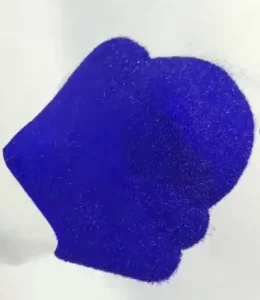
High-Quality Copper Tripeptide GHK-Cu CAS: 89030-95-5 - Algiers Aesthetic
Premium-grade copper complex peptide for advanced dermato-cosmetic formulations and mucosal tissue repair investigations, completely free of unbound copper ions.
Get Formulation Pricelist
Custom Tirzepatide CAS 2023788-19-2 - Algiers Weight Management Solution
Dual GIP/GLP-1 receptor agonist with high pharmaceutical stability profile, produced under stringent cGMP conditions for secondary formulation filling.
Download Product CoA
High-Quality Semax Peptide CAS 80714-61-0 - Algiers CNS Series
Synthetic ACTH(4-10) analogue designed for neurological research and neuroprotective formulation development, packaged in sterile glass vials.
Check Synthesis Dossier
Custom Tirzepatide CAS NO: 2023788-19-2 - Algiers Commercial API
High-yield industrial synthesis offering guaranteed batch availability, comprehensive safety data sheets, and custom lyophilization parameters.
Request Tender Pricing
High-Quality Survodutide CAS 2805997-46-8 - Algiers Bio-Equivalence Batch
High-potency glucagon/GLP-1 co-agonist for advanced pharmacokinetic profiling and clinical development programs across North African medical networks.
Order Evaluation SampleFrequently Asked Questions for Algiers Peptide Procurement
Authoritative answers covering regulatory filings, analytical characterization, shipment logistics, and contract CDMO terms.
How does your GLP-2 API support ANPP registration filings in Algeria?
We supply fully audited CTD Module 3 (Quality) documentation tailored to Algerian National Pharmaceutical Agency (ANPP) specifications. This includes complete process validation data, synthetic route characterization, impurity profiling (addressing both related substances and residual organic solvents), analytical method validation (ICH Q2(R1)), and long-term stability data under Climatic Zone IVA/IVB conditions. Our international regulatory team works directly with your local regulatory affairs personnel in Algiers to answer formal deficiency letters or technical queries.
What is the typical lead time for shipping peptide APIs to Algiers?
For standard off-the-shelf catalog peptide APIs (such as Teduglutide, Dulaglutide, or Tirzepatide), in-stock batches can be packaged in qualified thermal shipping units and dispatched via priority air-cargo within 5 to 7 business days. Delivery to Houari Boumediene Airport (ALG) typically takes 3 to 5 transit days. For custom CDMO campaigns involving multi-hundred-gram or kilogram-scale synthesis, lead times range between 6 to 10 weeks, inclusive of raw material synthesis, dual RP-HPLC purification, lyophilization, and full batch release QC testing.
Can you provide pure Acetate salt forms instead of Trifluoroacetate (TFA)?
Yes, absolutely. For clinical and commercial formulation intended for human injection, residual TFA must be eliminated due to cytotoxicity and regulatory thresholds. We utilize automated ion-exchange chromatography systems that reliably substitute TFA with biocompatible Acetate (or Hydrochloride / Phosphate upon request), ensuring that final residual TFA content is guaranteed below 0.1% (w/w), satisfying USP and European Pharmacopoeia monographs for parenteral grade peptides.
How do you maintain cold-chain integrity during hot summer months in Algiers?
We employ validated, high-performance cold-chain export shippers constructed with Vacuum Insulated Panels (VIP) and engineered Phase Change Materials (PCMs) or dry ice that provide continuous thermal stabilization for up to 96–120 hours without external power. Every shipment includes calibrated digital USB/NFC temperature data loggers that provide real-time temperature tracking upon receipt at your facility in Algiers, ensuring complete validation of zero cold-chain breach.
What documentation accompanies every commercial API shipment?
Every delivery includes a comprehensive analytical documentation pack: Batch Certificate of Analysis (CoA) specifying HPLC purity, ESI-MS molecular mass verification, peptide content via Amino Acid Analysis, water content via Karl Fischer titration, residual solvent analysis via Headspace Gas Chromatography (GC), bacterial endotoxin test results, and bioburden assays. Additional documents include Safety Data Sheets (SDS), Non-Animal Origin Declarations (TSE/BSE statements), and Certificate of Origin (COO).
Are your manufacturing facilities open to on-site quality audits by Algerian companies?
Yes. We welcome formal on-site quality audits conducted by quality assurance teams representing Algerian pharmaceutical firms, third-party international auditing agencies, or official health authorities. We can also coordinate virtual remote audits featuring comprehensive video tours of our cleanroom suites (Class 100,000 to Class 100), QC analytical laboratories, automated reactor floors, and centralized stability testing chambers.
Initiate Your GLP-2 API Partnership in the Algiers Market
Accelerate your domestic formulation timelines, secure priority commercial pricing for upcoming PCH hospital tenders, and leverage China's foremost multi-ton peptide synthesis infrastructure. Our dedicated Middle East & North Africa sales desk responds within 24 hours with complete technical data sheets and competitive volume quotations.