
Industry-Leading Peptide APIs & Custom Sequences
Explore our high-purity commercial-grade peptide portfolio manufactured under strict quality standards with full analytical validation.



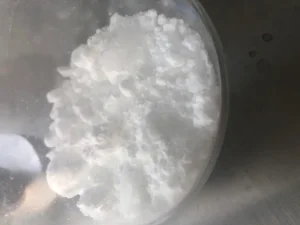

The Molecular Frontier of RGD Peptides: Integrin Receptor Target Engineering
Arg-Gly-Asp (RGD) tripeptide sequence represents the universal cell-adhesion motif recognized by transmembrane integrin receptors. Discover how advanced chemical modifications unlock ultra-high binding affinity, metabolic stability, and diagnostic targeting capability.
Structural Dynamics & Receptor Selectivity
The Arg-Gly-Asp (RGD) tripeptide motif, originally identified in fibronectin, serves as the fundamental cell attachment signal recognized by 8 distinct integrin heterodimers, including αvβ3, αvβ5, α5β1, and αIIbβ3. In physiological and pathophysiological microenvironments, these integrins modulate cell migration, tumor angiogenesis, vascular permeability, and extracellular matrix (ECM) remodeling.
While linear RGD peptides exhibit modest binding affinity ($K_d$ in the micromolar range) and fast enzymatic hydrolysis by systemic carboxypeptidases, conformational constraint via chemical cyclization drastically enhances structural rigidity. Cyclic RGD peptides—such as c(RGDfK), c(RGDyK), and iRGD (CRGDKGPDC)—restrict the conformational flexibility of the peptide backbone, stabilizing a bioactive γ-turn conformation that fits precisely into the hydrophobic cleft of the integrin binding pocket.
Technical Note: Conformational locking via D-amino acid inclusion (e.g., D-Phe in c(RGDfK)) increases metabolic half-life in human plasma from <15 minutes (linear RGD) to >24 hours, while shifting integrin binding affinity into the nanomolar ($K_d = 1.2 - 15\text{ nM}$) regime.
Linear vs. Cyclic RGD Peptide Performance Matrix
| Parameter | Linear RGD Motifs | Cyclic RGD Peptides | Next-Gen iRGD / Bivalent |
|---|---|---|---|
| Integrin Affinity ($K_d$) | 1.5 – 10.0 μM | 1.2 – 45.0 nM | 0.4 – 5.0 nM |
| Plasma Half-Life ($t_{1/2}$) | < 15 minutes | 12 – 36 hours | 18 – 48 hours |
| Tissue Penetration | Superficial ECM | Vascular / Tumor Rim | Deep Parenchymal / Core |
| Synthesis Complexity | Low (Standard SPPS) | Medium (Head-to-Tail) | High (Orthogonal/Click) |
| Primary Application | Basic Cell Culture Scaffolds | Targeted Radiotheranostics | Tumor Penetrating Drug Conjugates |
Solid-Phase Synthesis, Cyclization Engineering & Quality Control
Thinheal Pharma-Tech leverages state-of-the-art Fmoc/tBu Solid-Phase Peptide Synthesis (SPPS) alongside hybrid Liquid-Phase Peptide Synthesis (LPPS) to manufacture RGD peptides at benchmark purity levels.
Automated SPPS & Scale-Up Chemistry
Utilizing low-racemization coupling reagents (HATU, PyBOP, DIC/Oxyma) on high-load CTC (Chlorotrityl chloride) or Wang resins. Automated temperature-controlled synthesis minimizes deletion sequences during hydrophobic Arg(Pbf) and Asp(OtBu) additions.
High-Dilution Cyclization Protocols
Head-to-tail backbone cyclization and side-chain-to-side-chain disulfide bond formation are conducted under ultra-high dilution conditions (10-4 M) using specialized organic solvents (DMF/DMSO) to prevent intermolecular dimerization and oligomer formation.
Multi-Stage RP-HPLC Purification
Preparative Reverse-Phase High-Performance Liquid Chromatography (RP-HPLC) utilizing C18 and C8 silica columns removes closely related diastereomers and truncated impurities. Dual-pass fractionation ensures pure batch yields exceeding 98.0% purity.
Standard Quality Release Specifications (API Grade)
| Test Parameter | Analytical Method | Acceptance Criteria |
|---|---|---|
| Appearance | Visual Inspection | White to off-white lyophilized powder |
| Identity (Mass Spectrum) | ESI-MS / MALDI-TOF MS | Matches theoretical molecular weight (± 0.5 Da) |
| Chemical Purity | RP-HPLC (UV at 214 nm / 280 nm) | ≥ 98.0% (Custom grades up to ≥ 99.5%) |
| Peptide Content | Elemental Analysis / UV Spectrophotometry | ≥ 80.0% (Balance as acetate/counter-ions) |
| Residual Organic Solvents | Headspace GC-MS | Complies with ICH Q3C limits (DMF < 880 ppm, ACN < 410 ppm) |
| Bacterial Endotoxins | LAL Kinetic Chromogenic Method | < 0.01 EU/mg (Injectable / Scaffold Grade) |
| Counter-ion Content | Ion Chromatography (IC) | TFA < 1.0%; Acetate ≤ 10.0% |
Cross-Sector Applications: From Targeted Theranostics to Regenerative Medicine
RGD peptides represent critical functional motifs spanning pharmaceuticals, bio-materials, cosmetic dermatology, and nano-diagnostic imaging platforms.
1. Oncology & Radiotheranostics
Integrin αvβ3 is massively overexpressed on neo-vascular endothelial cells and solid tumor surfaces (glioblastoma, melanoma, breast carcinoma). Fluorine-18, Gallium-68, or Lutetium-177 conjugated cyclic RGD derivatives (e.g., 68Ga-NOTA-PRGD2) allow ultra-precise PET/CT tumor imaging and targeted radionuclide therapy.
2. Tissue Engineering & Bio-Implants
Standard synthetic polymer scaffolds (PCL, PLA, PEG) lack cell adhesion signals. Surface functionalization with RGD sequences induces focal adhesion kinase (FAK) signaling, promoting osteoblast proliferation on titanium orthopedic implants, endothelialization of vascular grafts, and cell survival in 3D bioprinted hydrogels.
3. Targeted Nanomedicine Carriers
Liposomes, polymeric nanoparticles, and exosomes functionalized with maleimide-PEG-RGD selectively home in on ischemic cardiovascular tissue or tumor microenvironments, facilitating target-specific intracellular delivery of siRNA, mRNA, and chemotherapeutic agents while drastically reducing off-target toxicity.
Next-Generation RGD Innovations & AI-Guided Peptide Design
Thinheal Pharma-Tech is actively engineering next-generation peptide architectures that transcend classical ligand-receptor interactions.
iRGD & CendR Tissue Penetration Engines
Classic cyclic RGD peptides bind integrins on the tumor vasculature but struggle to penetrate deep into dense stroma. Thinheal has commercialized robust synthesis pathways for iRGD (CRGDKGPDC).
Upon initial integrin αv binding, iRGD undergoes proteolytic cleavage by cell-surface endopeptidases to expose a C-terminal CendR motif (R/KXXR/K). This motif binds Neuropilin-1 (NRP-1), triggering a trans-tissue transport pathway that actively pumps co-administered therapeutic drugs deep into parenchyma.
Bivalent & Multimeric RGD Constructs
By organizing cyclic RGD motifs into dimeric ($E[c(RGDfK)]_2$) or tetrameric configurations using lysine branching cores or maleimide-PEG crosslinkers, multivalent binding achieves an avidity effect.
This structural arrangement yields up to a 100-fold increase in integrin binding avidity compared to monomeric peptides, enabling clear visualization of early-stage micro-metastases during molecular imaging procedures.
China Factory 4.0: Scalable Capacity, Supply Resilience & Eco-Synthesis
Located in Hangzhou Heda Medicine Valley, Thinheal operates state-of-the-art automated synthesis centers designed for high efficiency, complete traceability, and absolute cost performance.
Automated Industrial Reactors
Our facility houses custom 500L to 2000L solid-phase and liquid-phase reactors equipped with real-time UV-monitored cleavage systems, ensuring exact batch-to-batch reproducibility across metric ton commercial orders.
Green Peptide Chemistry (GPC)
We actively utilize eco-friendly solvent substitutes (such as 2-MeTHF and Cyrene) alongside solvent recycling systems, reducing raw material waste and volatile organic compound (VOC) emissions by over 65%.
Upstream Raw Material Integration
Thinheal synthesizes core protected amino acids (Fmoc-Arg(Pbf)-OH, Fmoc-Asp(OtBu)-OH) in-house. Direct control of basic building blocks mitigates supply chain volatility and protects against market cost fluctuations.
Global Enterprise Procurement & Custom Sourcing Framework
We provide flexible, transparent pricing models for research institutions, medical device OEM partners, and pharmaceutical sponsors worldwide.
| Order Scale / Grade | Target Purity | Typical Turnaround | Documentation Included |
|---|---|---|---|
| Research Pilot (1g – 50g) | ≥ 95% or ≥ 98% | 1.5 – 2 Weeks | COA, HPLC Chromatogram, MS Report |
| Development Scale (100g – 1kg) | ≥ 98.0% | 3 – 4 Weeks | COA, HPLC, MS, TFA Content, Water Content |
| Commercial OEM (5kg – 100kg+) | ≥ 98.5% to ≥ 99.5% | Scheduled Campaign Supply | Full cGMP Batch Release, Stability Data, DMF Access |
Custom Quotation Workflow: To receive a formal commercial quote for custom RGD derivatives (e.g., FITC-RGD, DOTA-RGD, Biotin-RGD, or novel cyclic variants), submit your sequence, structural specifications, required quantity, and target regulatory tier to [email protected] or contact your regional desk.
Global Regulatory Compliance & Regional Support Desks
Navigating global regulatory landscapes requires flawless quality documentation and cold-chain supply security.
Regulatory Filings & DMF Documentation
Thinheal supports international drug submissions with comprehensive Drug Master Files (US FDA DMF, EDMF/ASMF in Europe). Our QA team handles technical inquiries, audit requests, and change control protocols seamlessly.
- US FDA Registered Facility
- cGMP compliance under ICH Q7 guidelines
- ISO 9001 & ISO 13485 certified production suites
Temperature-Controlled Global Logistics
Peptides are highly sensitive to thermal degradation. Thinheal utilizes validated cold-chain packaging featuring real-time GPS temperature tracking monitors.
- Lyophilized storage at -20°C / -80°C
- Dedicated sales desks: USA & Europe, CIS, Asia, Middle East
- Customs clearance assistance and DDP shipping solutions
Frequently Asked Questions Regarding RGD Peptide Synthesis & Procurement
Technical answers to common inquiries raised by procurement officers, formulation scientists, and QA auditors.
Explore Additional Commercial Peptide APIs
Select from our extended list of high-demand gastrointestinal, metabolic, and therapeutic peptides.
