
High-Purity Commercial & Therapeutic Peptide APIs
Explore our flagship catalog of custom-synthesized peptides, regulatory-compliant APIs, and specialized functional sequences engineered to meet rigorous pharmaceutical standards.




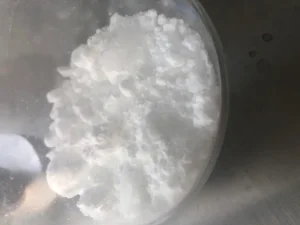
Comprehensive Industry Guide: Custom T Peptide Synthesis & Manufacturing
A deep dive into peptide chemistry, structural optimization, scale-up dynamics, and global supply chain integration for biopharmaceutical and aesthetic applications.
Understanding T Peptides in Modern Biopharmaceutics
The term "T Peptides" encompasses a critical family of biologically active, peptide-based molecules primarily involved in immune system regulation, cellular repair, metabolic signal transduction, and endocrine pathways. Notable examples include thymic-derived peptides such as Thymosin Alpha-1, Thymosin Beta-4 (TB500), and Thymalin, as well as therapeutic peptide APIs starting with the designation 'T', including Triptorelin, Teduglutide, and Tesamorelin.
Characterized by defined amino acid sequences ranging from short oligopeptides to complex 40+ residue polypeptides, T peptides require extreme precision during chemical synthesis to ensure exact secondary structures, conformational stability, and target receptor affinity. Modern solid-phase peptide synthesis (SPPS) combined with advanced purification protocols enables the production of these biomolecules at multi-kilogram scale while suppressing deletions and epimerization impurities.
Chemical Synthesis Routes: SPPS vs. LPPS vs. Hybrid Technologies
Manufacturing high-purity T peptides requires selecting the optimal chemical strategy tailored to sequence length, sterically hindered residues, and hydrophobicity profiles:
- Fmoc/tBu Solid-Phase Peptide Synthesis (SPPS): Ideal for custom modifications, cyclic peptide structures, and sequence lengths up to 50 amino acids. Utilizes specialized resins (e.g., Wang, Rink Amide, 2-Chlorotrityl chloride resin) for high yields.
- Liquid-Phase Peptide Synthesis (LPPS): Highly cost-effective for short therapeutic peptides (2–10 residues) required in multi-ton quantities, minimizing solvent usage and raw material overhead.
- Fragment Condensation (Hybrid Strategy): Combines SPPS for synthesizing protected peptide fragments with LPPS for final assembly, mitigating aggregation issues common in long-chain analogues like Teduglutide and GLP-2 derivatives.
China's Ecosystem Advantages in Custom T Peptide Manufacturing
Why Hangzhou and Chinese biotech hubs have emerged as global powerhouses for high-efficiency, highly reliable peptide CDMO and API production.
Full Supply Chain Integration
China hosts a complete upstream and downstream chemical infrastructure. From basic amino acid building blocks (Fmoc-protected amino acids) to specialized coupling reagents (HATU, HBTU, PyBOP) and high-grade resin matrices, local sourcing eliminates international logistics delays and reduces raw material costs by 30-45%.
Advanced Automation & Synthesis Scale
Modern Chinese peptide facilities utilize automated multi-channel peptide synthesizers ranging from 50L to 1000L glass-lined and stainless-steel reaction vessels. Coupled with preparative reverse-phase HPLC systems (up to 300mm column diameter), factories achieve multi-ton annual capacities with exceptional batch reproducibility.
Strict Quality Control & Regulatory Alignment
Leading suppliers in Hangzhou implement rigorous analytical methodologies, including RP-HPLC, ESI-MS, MALDI-TOF, UPLC-MS/MS, residual solvent analysis via GC, and bacterial endotoxin testing (LAL assays), matching US FDA, EMA, and NMPA regulatory standards for international filing support.
Global Trends Reshaping the Peptide Therapeutics Landscape
From incretin co-agonists to localized immunomodulators, explore the macro market forces driving demand for specialized peptide manufacturing.
1. Convergence of Incretin and Thymic Therapies
The unprecedented commercial success of GLP-1 and dual GLP-1/GIP agonists (such as Semaglutide, Tirzepatide, and Cargrilintide) has transformed the global peptide landscape. Biopharmaceutical developers are now exploring combination regimens that pair metabolic regulators with immunomodulatory T peptides (e.g., Thymosin Beta-4 / TB500 or MOTS-c) to prevent muscle loss, accelerate cellular recovery, and improve systemic metabolic homeostasis.
2. Rise of Non-Invasive Delivery Formulations
Historically restricted to parenteral injections, novel drug delivery systems (NDDS) are gaining traction. Manufacturers are developing liposomal encapsulation, oral sublingual drops, transdermal microneedle arrays, and nasal spray solutions for peptides such as Tesamorelin, Bremelanotide (PT141), and BPC-157, expanding consumer access and clinical compliance.
3. Green Peptide Chemistry & Process Intensification
Regulatory bodies globally are imposing stricter environmental metrics on peptide manufacturing, particularly targeting hazardous solvent consumption (e.g., DMF, NMP, DCM). Chinese chemical leaders are pioneering microwave-assisted synthesis, water-based synthesis protocols, and continuous flow synthesis technologies to reduce E-factors (environmental impact factors) while enhancing synthesis speed and yield.
4. Expansion into Cosmeceuticals & Anti-Aging
Beyond pharmaceutical APIs, bio-active peptides are experiencing exponential growth in premium dermatology and medical cosmetics. Signal peptides, neurotransmitter-inhibiting peptides, and tissue-regenerative sequences are now standardized raw materials for anti-wrinkle, skin-repair, and hair-growth formulations.
Targeted Solutions Across Diverse Biomedical Sectors
Custom T peptide synthesis supports a broad spectrum of commercial, clinical, and industrial workflows globally.
| Therapeutic / Application Area | Key Peptide Representative Sequences | Primary Biological Mechanism | Industry Solution & CDMO Deliverables |
|---|---|---|---|
| Immunomodulation & Oncology | Thymosin Alpha-1, Thymalin, Triptorelin | T-cell maturation, cytokine regulation, GnRH downregulation | cGMP API batch production, lyophilized vial filling, endotoxin-free documentation. |
| Metabolic & Obesity Care | Semaglutide, Mazdutide, MOTS-c, Setmelanotide | GLP-1R/GIP receptor activation, mitochondrial gene regulation | Multi-kilogram scale-up, side-chain alkylation expertise, fatty-acid conjugation. |
| Gastrointestinal Repair | Teduglutide, BPC-157 | GLP-2 receptor agonism, angiogenesis promotion, mucosal healing | High-purity solid-phase synthesis, acetate/TFA counter-ion exchange, stability profiling. |
| Aesthetics & Cosmeceuticals | Copper Tripeptide-1, Acetyl Hexapeptide-8, TB500 | Collagen synthesis stimulation, cell migration, fibroblast activation | Bulk cosmetic raw material supply (>98% purity), liquid formulation stability data. |
| Endocrine & Growth Hormone | Tesamorelin, Deslorelin | GHRH stimulation, pituitary gonadotropin release control | Custom structural modifications, C-terminal amidation, purity verification via HPLC/MS. |
How Global Enterprises Evaluate Custom Peptide Quotes
Key parameters, quality metrics, and technical data points required to ensure smooth procurement and avoid costly CDMO delays.
1. Technical Specification Alignment
When submitting an RFQ (Request for Quote), provide clear details regarding sequence length, amino acid modifications (e.g., N-terminal acetylation, C-terminal amidation, biotinylation, PEGylation), desired counter-ion (Acetate vs. TFA vs. Hydrochloride), and purity target (Research grade 90% vs. API grade 98%+).
2. Analytical Validation Package
A trustworthy quotation must include comprehensive Certificate of Analysis (CoA) documentation. Ensure your supplier provides batch-specific RP-HPLC chromatograms, ESI-MS spectrum analysis, residual water (Karl Fischer), net peptide content determination, and heavy metal testing.
3. Supply Chain Security & Logistics
Therapeutic peptides are heat-sensitive biomolecules. Reliable manufacturers offer validated cold-chain shipping (2–8°C ice pack maintenance or -20°C dry ice transport), real-time temperature tracking, custom clearance assistance, and batch reservation programs for recurring commercial orders.
Frequently Asked Questions About Custom T Peptide Sourcing
Direct technical answers to common queries raised by biopharmaceutical procurement directors and research institutions.
Specialized Therapeutic Peptides & Custom Synthesis Catalog
Browse additional high-demand therapeutic sequences, metabolic agonists, and custom peptide solutions available for worldwide quotation and CDMO contract manufacturing.
