
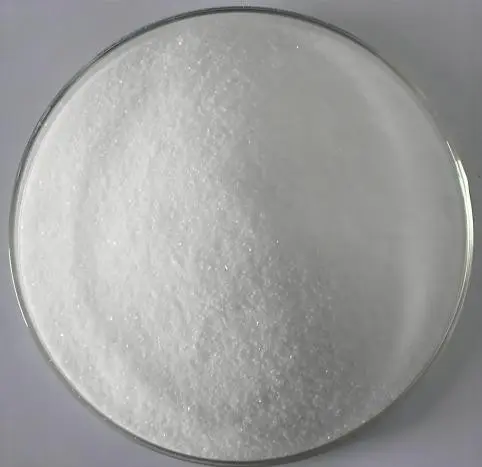

Custom Cargrilintide CAS 1415456-99-3 - High-Quality Peptide from China Suppliers and Factory Quotes, Service
Product Description
Despite the worldwide epidemic of obesity, there remain few approved pharmacological treatment options to bridge the gap between lifestyle therapy and bariatric surgery. Cagrilintide is an amylin-analog, now being developed in combination with the GLP-1 agonist semaglutide to achieve sustained weight loss in persons with overweight and obesity.
Mechanism & Efficacy
Cagrilintide is a long‑acting synthetic analogue of the pancreatic hormone amylin, classified as an amylin receptor agonist. It targets amylin receptors and related pathways that regulate appetite, satiety, gastric emptying, and post‑meal glucose metabolism. By activating these pathways, Cagrilintide helps reduce food intake, prolong feelings of fullness, and support metabolic balance in research settings. It is also being studied in combination with GLP‑1 receptor agonists such as semaglutide for enhanced weight‑loss and metabolic effects.
Dosage & Research Use
Cagrilintide is evaluated primarily in clinical and preclinical research for metabolic and obesity studies. In major clinical programs such as the Phase 2 and Phase 3 “REDEFINE” trials, cagrilintide has been administered as a subcutaneous injection once weekly with a gradual dose escalation protocol to minimize gastrointestinal side effects. Target doses in these protocols frequently reached 2.4 mg per week, with initial titration starting from lower doses such as 0.3–0.5 mg during the first weeks of treatment.
What is Cagrilintide?
Cagrilintide is a long-acting synthetic analogue of the pancreatic hormone amylin. It is classified as an amylin receptor agonist used in metabolic and obesity studies.
How does Cagrilintide promote weight loss?
It targets amylin receptors and related pathways to regulate appetite, satiety, gastric emptying, and post-meal glucose metabolism, which helps reduce food intake and prolong feelings of fullness.
Is Cagrilintide used with other medications?
Yes, it is currently being developed and studied in combination with GLP-1 receptor agonists, such as semaglutide, to achieve enhanced and sustained weight loss.
How is Cagrilintide administered in clinical trials?
In major clinical programs like the "REDEFINE" trials, Cagrilintide is administered as a once-weekly subcutaneous injection.
What is the target dosage for Cagrilintide?
In research protocols, target doses frequently reach 2.4 mg per week, achieved through a gradual dose escalation process.
Why is a gradual dose escalation protocol used?
Initial titration starting from lower doses (such as 0.3–0.5 mg during the first weeks) is utilized to minimize potential gastrointestinal side effects.




