
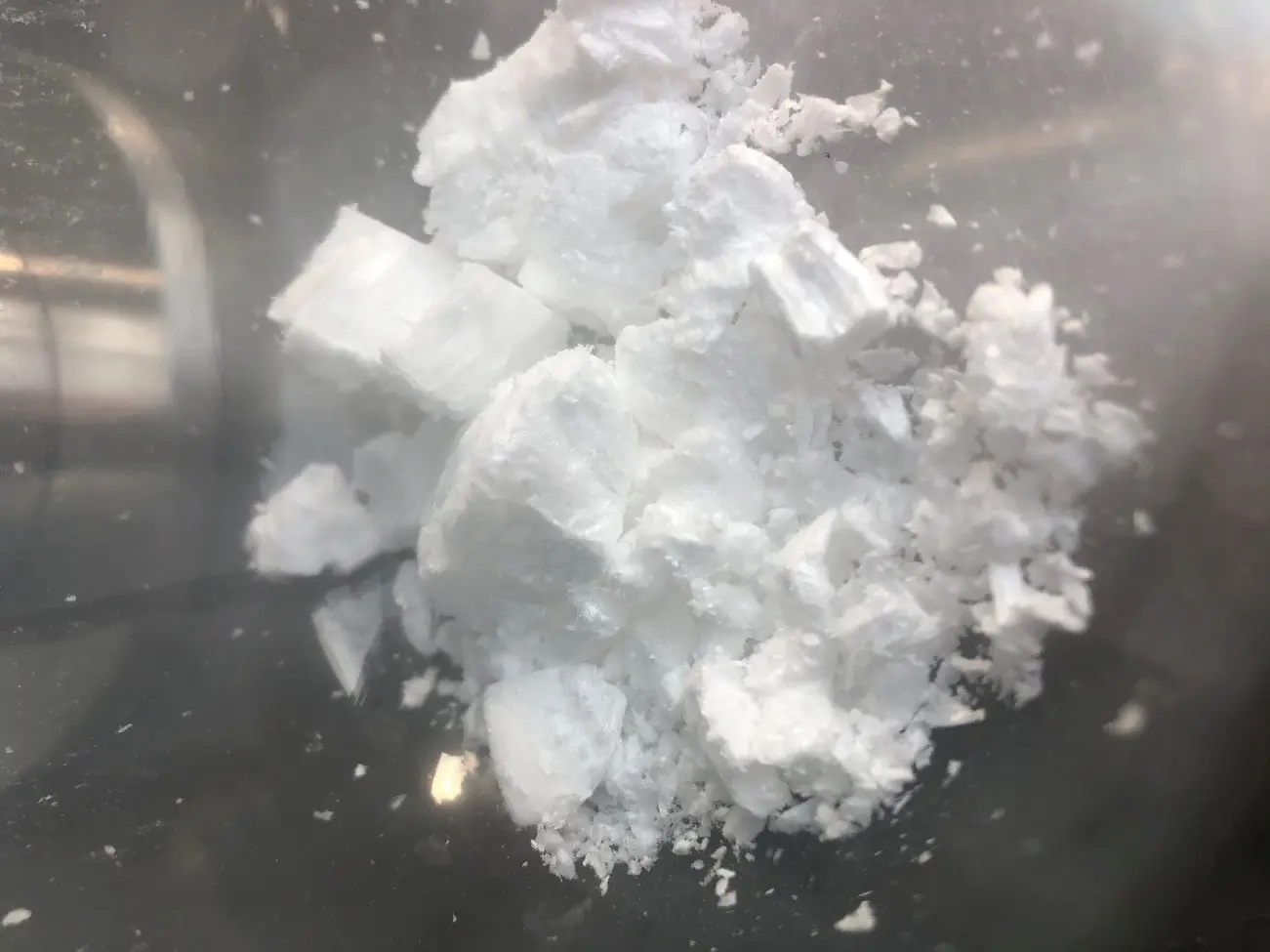
High-Quality Mazdutide (CAS 2259884-03-0) - Weight Loss Dual GCG/GLP-1 Agonist from China Suppliers & Factory Manufacturer, Quotes
Product Description
Therapeutic Areas
With China approval, Lilly and Innovent's mazdutide breaks into new class for GLP-1 obesity drugs
With a first-in-class approval in China, Eli Lilly’s GLP-1 development engine has delivered yet again on the obesity front—although local biopharma outfit Innovent Biologics will be the one to reap the rewards in the near term.
In a breakthrough for incretin medicines, China’s National Medical Products Administration (NMPA) has approved Innovent’s dual GLP-1/glucagon (GCP) receptor agonist mazdutide for chronic weight management in Chinese adults who are overweight or have obesity.
Crucially, patients must also have at least one weight-related comorbidity, such as high blood sugar or blood pressure, according to a statement (Chinese) from the country’s drug regulator.
Outlook & Development
The green light earns mazdutide the distinction of being the world’s first dual GCG/GLP-1 med, Innovent said in a June 27 press release. Innovent paid an undisclosed sum to secure the Chinese rights to mazdutide from Lilly in 2019, while Lilly continues to hold the rights to the metabolic drug outside of China, where it has yet to win approval.
Mazdutide, as a new entrant in the booming GLP-1 scene for obesity, recently ranked among Fierce Pharma’s top 10 most anticipated drug launches of 2025. That report leveraged data on prospective launches from intelligence and analytics firm Evaluate, which has estimated that the drug could reach $1.3 billion in 2030 sales.
By targeting the GCG receptor, Lilly and Innovent figure mazdutide should help increase the body’s energy expenditure, spurring changes in the liver, brain and white and brown adipose tissue that complement the reduced energy intake triggered by GLP-1 activation.
China’s drug regulator based its approval on data from Innovent’s phase 3 GLORY-1 study in more than 600 adults in China who are overweight or obese. At the study’s 48-week mark, patients on mazdutide 4 mg, mazdutide 6 mg and placebo achieved an average weight loss relative to baseline of 12%, 14.8% and 0.5%, respectively.




