
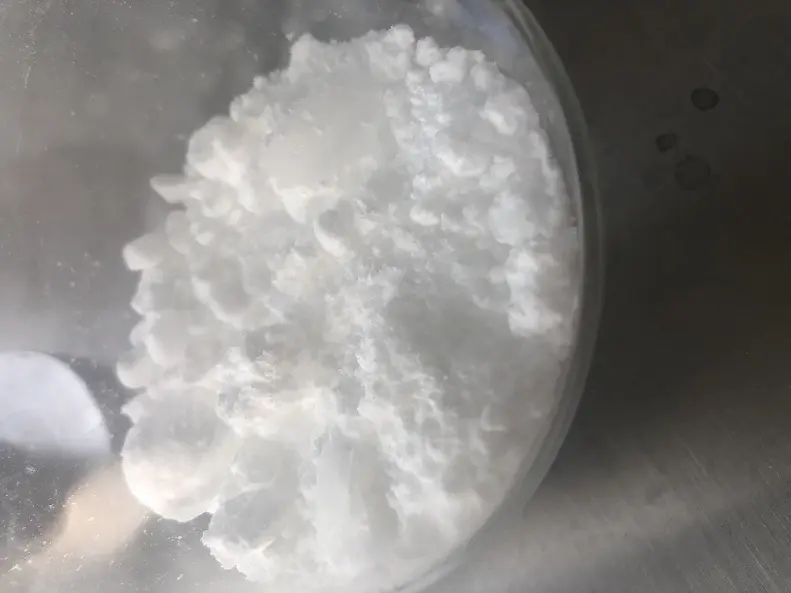
Custom Thymosin β4 Acetate (TB500) CAS: 77591-33-4 - China Suppliers & Factory for Wound Healing and Cell Therapy Manufacturer, Manufacturers
Product Description
Thymosin β4 is a naturally occurring polypeptide (composed of 43 amino acids) widely expressed in the human body. It is an important member of the actin-binding protein family and was initially isolated from the thymus. Its core functions include promoting cell migration, proliferation, and differentiation; inhibiting inflammation and apoptosis; and promoting angiogenesis and wound healing. Based on these powerful biological functions, scientists have conducted extensive research on its therapeutic potential.
Therapeutic Areas
Research on thymosin β4 has focused on several therapeutic areas, some of which have entered clinical trials, while most are still in the preclinical research stage.
🩹 1. Tissue repair and wound healing
This is the most in-depth and fastest-progressing area of research. Tβ4 promotes repair through multiple mechanisms:
- Promotes the migration of keratinocytes and endothelial cells: accelerates skin epithelialization and granulation tissue formation.
- Stimulates angiogenesis: brings oxygen and nutrients to repaired tissues.
- Anti-inflammatory effect: Reduces inflammatory cell infiltration and improves the repair microenvironment.
- Reduce fibrosis: Reduce scar formation by regulating collagen production.
Specific applications:
- Skin ulcers: such as diabetic foot ulcers, pressure sores, varicose ulcers, etc. Related drugs (such as RGN-137) have already completed clinical trials.
- Corneal injury: Promotes corneal epithelial regeneration and is used for chemical burns, erosions, and xerosis. Related eye drop formulations have entered clinical trials.
- Oral mucositis: Commonly seen as a side effect of chemotherapy and radiotherapy; Tβ4 can accelerate its healing.
❤️ 2. Heart disease
This is another very promising area. Following a myocardial infarction (heart attack), Tβ4 has been shown to:
- Promotes cardiomyocyte survival: reduces cell apoptosis.
- Stimulates angiogenesis: Improves blood flow to the infarcted area.
- Recruiting stem cells: Mobilizing endogenous cardiac stem cells or progenitor cells to promote myocardial tissue regeneration (although this mechanism is somewhat controversial).
- Improves cardiac function: Reduces scar formation and improves cardiac output.
Specific applications: Primarily used for cardiac repair after acute myocardial infarction and for the treatment of chronic heart failure. Some early clinical trials (such as the REGEN trial) have shown its safety and potential benefits, but subsequent larger-scale studies have yielded mixed results and require further validation.
🧠 3. Nervous system diseases
Based on its neurotrophic and neuroprotective properties, Tβ4 also shows potential in neurological diseases:
- Stroke: In ischemic stroke models, Tβ4 can reduce infarct size, promote neurogenesis and angiogenesis, and improve motor function recovery.
- Multiple sclerosis: In an experimental autoimmune encephalomyelitis model, Tβ4 exhibits anti-inflammatory and myelin regeneration-promoting effects.
- Traumatic brain injury and spinal cord injury: Protects neurological function through anti-inflammatory, anti-apoptotic and neuroplasticity-promoting effects.
🔬 4. Other fields
- Hair regeneration: Research has found that Tβ4 can activate hair follicle stem cells, promoting the hair growth cycle to transition from the resting phase to the anagen phase. Some companies have already attempted to develop it into hair regrowth products.
- Anti-aging: Due to its ability to promote tissue regeneration and maintain stem cell function, Tβ4 is considered by some studies as a potential "regenerative medicine" molecule to combat age-related tissue function decline.
- Liver and lung fibrosis: Due to its anti-fibrotic properties, it is being investigated for the treatment of cirrhosis and pulmonary fibrosis.
Outlook & Development
Despite the great potential shown by thymosin β4 in preclinical studies, its translation from laboratory to clinical use is fraught with challenges and its prospects are mixed.
🌟 Positive aspects and opportunities:
- The mechanism of action is clear and multi-effect: Tβ4 works through multiple pathways, which means that it can synergistically promote repair at multiple levels and may be more effective than single-target drugs.
- Natural endogenous substances: As proteins produced by the human body itself, they have low immunogenicity and are theoretically safe.
📈 Progress has been made in some areas:
- Ophthalmic applications appear to be one of the areas closest to commercialization. Several Tβ4-based ophthalmic drugs have shown promising efficacy and safety in treating corneal damage.
- Some products used in dermatology have also entered the late-stage clinical trials.
- A star molecule in regenerative medicine: With the rise of regenerative medicine and anti-aging research, Tβ4, as a key molecule that can activate stem cells and promote tissue regeneration, continues to attract the attention of the scientific community and biotechnology companies.
⚠️ Challenges and limitations:
- Inconsistent clinical outcomes: Especially in the field of cardiac repair, early positive results have not been consistently replicated in large-scale clinical trials, and more data are needed to support the significance and stability of the efficacy.
- The challenge of drug delivery: As peptides, oral administration leads to degradation, typically requiring local injection or topical application. Efficiently delivering the drug to target tissues such as the heart and brain is a significant technical challenge.
- Commercialization and Regulatory Pathways: Developing a novel regenerative therapy with a complex mechanism of action requires substantial financial investment and faces stringent regulatory approval processes. Some projects may be halted due to insufficient funding or failure to meet clinical trial endpoints.
- A deeper understanding of the mechanism of action: Although we know that Tβ4 has many functions, its precise molecular targets and signaling pathway networks are not yet fully elucidated, which limits targeted drug optimization.
📊 Current development status summary:
- Most indications are still in the preclinical and early clinical stages.
- The most advanced advancements are in topical formulations, such as gels for skin wound healing and eye drops for corneal injuries. For example, clinical trials of the drug RGN-137 (a Tβ4 gel) for epidermolysis.
- Developing indications for systemic drug delivery (such as heart disease and stroke) is more difficult and progresses relatively slowly.
- Some biotechnology companies (such as RegeneRx Biopharmaceuticals) are still pushing forward with their clinical development.




