
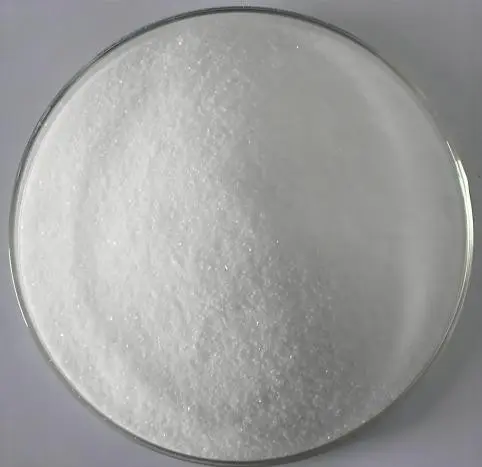

Custom Semaglutide CAS 910463-68-2 - Weight Management Solution from China's Leading Suppliers and Factory Manufacturer, Pricelist
Product Description
Semaglutide is a glucagon-like peptide-1 (GLP-1) receptor agonist, a class of drugs that have been clinically proven to be effective in helping individuals manage their weight. By mimicking the effects of the natural hormone GLP-1, semaglutide plays a vital role in regulating appetite and blood sugar levels. This innovative approach not only aids in weight loss, but also improves metabolic health, making it a comprehensive solution for those seeking to change their lifestyle.
Mechanism & Efficacy
Semaglutide is a GLP-1 receptor agonist that regulates blood glucose by stimulating insulin secretion and inhibiting glucagon release. It is commonly used in clinical research for type 2 diabetes management, weight management, and obesity-related studies.
Dosage & Clinical Use
Semaglutide (marketed as Wegovy®/Ozempic®) is administered by once‑weekly subcutaneous injection. Common dosing protocols for obesity and weight management range from 0.25 mg up to 2.4 mg weekly, with gradual titration based on tolerance and therapeutic goals. A new higher 7.2 mg weekly dose has been approved in some regions to enhance weight‑loss efficacy in clinical settings.
Patent & Intellectual Property
Semaglutide is protected by a broad patent portfolio covering compositions, formulations, and therapeutic uses. Key U.S. patents include:
- US11318191 – GLP‑1 compositions and uses, expires Feb 17, 2041
- US11478533 – Related formulation claim, expires May 13, 2040
- US12214017 / US8129343B2 – Additional composition/use patents, expiring 2038‑2041
These extended protections help delay generic competition in major markets such as the U.S. until the late 2030s–early 2040s.
What is Semaglutide?
Semaglutide is a glucagon-like peptide-1 (GLP-1) receptor agonist. It is clinically proven to help individuals manage their weight and improve metabolic health by mimicking natural hormones to regulate appetite and blood sugar.
How does Semaglutide work in the body?
It works by regulating blood glucose through the stimulation of insulin secretion and the inhibition of glucagon release. This mechanism is highly effective for type 2 diabetes management and obesity-related treatments.
How is Semaglutide administered?
Semaglutide, marketed under names like Wegovy® and Ozempic®, is typically administered via a once-weekly subcutaneous injection.
What is the common dosage for weight management?
Common dosing protocols range from 0.25 mg up to 2.4 mg weekly, using gradual titration. In some regions, a higher 7.2 mg weekly dose has been approved to enhance weight-loss efficacy.
When do the key U.S. patents for Semaglutide expire?
Key U.S. patents covering its compositions and formulations are set to expire between the late 2030s and early 2040s (specifically ranging from 2038 to 2041), thereby delaying generic competition.
Is Semaglutide only used for weight loss?
No, while it is highly effective for weight loss, it is also widely used in clinical research and treatments for type 2 diabetes management and broader metabolic health improvement.




