
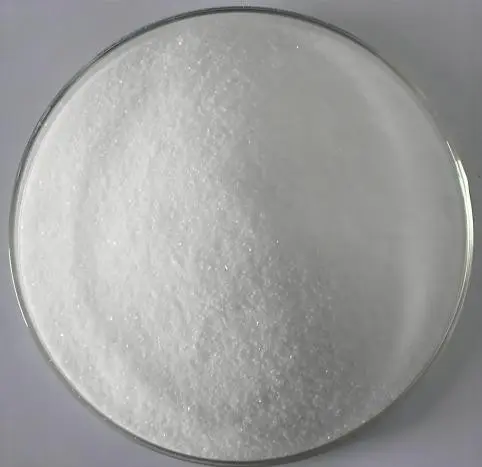

Custom Linaclotide CAS 851199-59-2 - Effective IBS-C and CIC Treatment from Trusted China Suppliers and Factory Manufacturer, Quotes
Product Description
Linaclotide is a prescription medicine that has been clinically proven to be effective in treating irritable bowel syndrome (IBS-C) and chronic enteroendocrine syndrome (CIC). Its mechanism of action is to increase intestinal fluid secretion, thereby softening stool and promoting regular bowel movements. This mechanism of action not only promotes bowel movements, but also relieves the discomfort caused by constipation, such as bloating, abdominal pain and straining during bowel movements.
Mechanism & Efficacy
Linaclotide is a guanylate cyclase-C agonist that enhances intestinal fluid secretion and accelerates transit, commonly used in research on chronic constipation and irritable bowel syndrome with constipation (IBS-C).
Dosage & Research Use
Linaclotide, approved clinically for chronic idiopathic constipation and IBS‑C, typically comes in microgram doses (e.g., 72 mcg, 145 mcg, 290 mcg capsules in clinical settings). Research applications should reflect standard mg‑to‑mcg scaling and follow rigorous protocols. (Note: This product is intended for research and not for direct clinical application.)
Frequently Asked Questions (FAQs)
What conditions is Linaclotide clinically proven to treat?
Linaclotide is clinically proven to be effective in treating irritable bowel syndrome with constipation (IBS-C) and chronic idiopathic constipation (CIC).
How does Linaclotide work in the body?
It acts as a guanylate cyclase-C agonist. Its mechanism of action increases intestinal fluid secretion and accelerates transit, which softens the stool and promotes regular bowel movements.
What specific symptoms can Linaclotide help relieve?
By promoting regular bowel movements, Linaclotide helps relieve the common discomforts associated with constipation, such as bloating, abdominal pain, and straining during bowel movements.
What are the standard clinical dosages for Linaclotide?
In clinical settings, Linaclotide is typically administered in microgram doses. The most common approved capsule strengths are 72 mcg, 145 mcg, and 290 mcg.
Can this specific product be used for direct clinical treatment?
No, this product is intended strictly for research purposes. It must follow rigorous research protocols and standard mg-to-mcg scaling, and is not meant for direct clinical application.




