
High-Purity Therapeutic & Synthetic Peptide APIs
Explore our high-yield, batch-certified peptide standards optimized for metabolic, endocrine, and antimicrobial research applications.

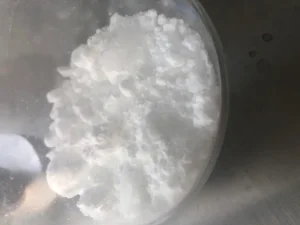

Custom AMP Peptides: Next-Gen Solutions for Global Anti-Infective CDMO
Engineered biopurity, advanced conformational design, and multi-ton synthesis capabilities tailored for clinical development and commercial industrial deployment.
In the wake of compounding global antimicrobial resistance (AMR), traditional small-molecule antibiotics are experiencing accelerated therapeutic degradation. Antimicrobial Peptides (AMPs)—also recognized as host defense peptides (HDPs)—represent the primary biophysical frontier in overcoming multidrug-resistant (MDR) pathogens. As an established peptide API manufacturer and CDMO leader headquartered in Hangzhou, China, Hangzhou Thinheal Pharma-Tech Co., Ltd. provides comprehensive, end-to-end custom AMP peptide synthesis, sequence optimization, and large-scale manufacturing services for global biopharmaceutical enterprises, agricultural biosecurity innovators, and cosmeceutical developers.
AMPs typically consist of 10 to 50 amino acid residues characterized by a net positive charge (ranging from +2 to +9 due to rich Lysine and Arginine compositions) and an amphipathic spatial architecture. Unlike conventional antibiotics that target specific metabolic enzymes (which pathogens easily mutate around), AMPs primarily exert bactericidal action via non-specific electrostatic attraction and physical disruption of microbial cell membranes through mechanisms such as the barrel-stave model, toroidal pore model, and carpet model. This fundamental mode of action minimizes the propensity for target-based resistance development, making custom AMP peptides the premier therapeutic vector for novel drug pipelines.
Membrane Disruption Architecture
Execution of electrostatically driven hydrophobic insertion strategies to disintegrate Gram-negative outer membranes (LPS binding) and Gram-positive peptidoglycan barriers without inducing cellular cytotoxicity.
High Metabolic Half-Life Chemistry
Implementation of backbone modifications including D-amino acid substitution, N-methylation, head-to-tail cyclization, and unnatural amino acid incorporation to resist serum protease degradation.
Immunomodulatory Synergy
Custom engineering of dual-action peptides capable of neutralizing lipopolysaccharides (LPS), inhibiting pro-inflammatory cytokine cascades (TNF-α, IL-6), and recruiting protective host immune cells.
Advanced Custom Synthesis Technologies & Route Engineering
Combining Solid-Phase Peptide Synthesis (SPPS) and Liquid-Phase Peptide Synthesis (LPPS) to navigate complex secondary structures.
Synthesizing AMPs presents distinct chemical challenges: hydrophobic sequence aggregation, highly cationic domains causing premature cleavage, and complex intra-molecular disulfide bond mapping. At Thinheal Pharma-Tech, our R&D center utilizes cutting-edge synthetic methodologies designed to guarantee sub-gram to multi-ton scalability with purity levels exceeding 98% (HPLC validated).
Microwave-Assisted Fmoc/tBu SPPS
For custom exploratory sequences (10–50 residues), we deploy automated microwave-assisted Solid-Phase Peptide Synthesis. Thermal energy disruption suppresses beta-sheet aggregation during chain elongation, enabling rapid synthesis of difficult, hydrophobic AMP sequences (e.g., Cathelicidins, LL-37 derivatives) with exceptional crude purity.
Fragment Condensation & Hybrid LPPS
For commercial-scale AMP APIs (such as polymyxin derivatives or short cationic peptide preservatives), full SPPS becomes cost-prohibitive. We engineer short protected fragments via SPPS, followed by Liquid-Phase segment coupling in solution. This hybrid approach slashes raw material consumption (coupling reagents, resins) by over 40% while enhancing overall batch yield.
Regioselective Disulfide Bridging
Many naturally derived AMPs (e.g., Defensins, Protegrins) rely on intricate networks of 2 to 3 intramolecular disulfide bonds for bioactivity. Our technical team employs orthogonal cysteine protection strategies (Trt, Acm, Mob, tBu) to control folding pathways explicitly, ensuring single-isomer production devoid of mismatched topological impurities.
Peptidomimetic Backbone Modifications
To overcome in vivo protease liability, Thinheal provides full-scope structural engineering: C-terminal amidation, N-terminal acetylation, fatty acid conjugation (myristoylation, palmitoylation for membrane anchoring), hydrocarbon stapling, and incorporation of non-proteinogenic amino acids (e.g., Orni, Dab, Dap, Aib).
Localized Application Scenarios of Custom AMP Peptides
From clinical human therapeutics to biosecure agricultural formulations, customized AMPs deliver targeted antimicrobial functionality.
Human Clinical Anti-Infectives
Formulation of topical, aerosolized, and systemic AMP therapeutics targeted at critical WHO priority pathogens: Pseudomonas aeruginosa in cystic fibrosis, methicillin-resistant Staphylococcus aureus (MRSA) in diabetic foot ulcers, and persistent bio-film eradication on medical implants.
Veterinary & Aquaculture Biosecurity
As global regulations phase out prophylactic feed antibiotics, customized AMPs (such as Cecropin and Magainin derivatives) are deployed as non-resistance-inducing feed additives in poultry, swine, and shrimp aquaculture to curb intestinal pathogen colonization (Salmonella, E. coli, Vibrio).
Cosmeceutical Skin Microbiome Care
Cosmetic AMPs targeting Cutibacterium acnes and Malassezia species without perturbing the native epidermal microbiome balance. Custom sequences act as anti-acne agents, barrier-repairing peptides, and self-preserving cosmetic actives that reduce synthetic paraben dependence.
Crop Protection & Food Biopreservation
Design of bio-stable sprayable AMPs to combat bacterial leaf blight (Xanthomonas) and post-harvest fungal decay (Botrytis cinerea). In food processing, custom AMPs serve as high-potency biopreservatives preventing foodborne pathogens in dairy, meat, and beverage matrixes.
Technological Roadmap & Future Outlook (2025–2030)
Bridging generative AI design with industrial-scale biomanufacturing to define the next decade of anti-infective discovery.
The transition from discovery-stage AMPs to commercially viable pharmaceutical products has historically been constrained by three systemic factors: high cost of goods sold (COGS), enzymatic degradation in vivo, and systemic toxicity (hemolysis). Thinheal Pharma-Tech’s strategic technological roadmap addresses these hurdles through a multi-tiered innovation model:
AI-Driven De Novo Sequence Screening
Integrating deep learning algorithms and protein language models (ESM-2, AlphaFold) into our CDMO workflow. By predicting therapeutic index (TI), Minimum Inhibitory Concentration (MIC), and hemolytic concentration (HC50) prior to synthesis, we shorten target optimization timelines from months to days.
Nanoparticle & LNP Encapsulation
Developing proprietary co-formulation platforms incorporating Lipid Nanoparticles (LNPs), polymeric micelles, and inorganic carriers. Encapsulating custom AMPs mitigates proteolysis, extends circulating half-life, and enables targeted tissue accumulation at infected lesion sites.
Continuous Green Flow Chemistry
Pioneering automated continuous-flow SPPS coupled with green, non-toxic coupling solvent systems (such as Cyrene and Gamma-Valerolactone). This technology reduces hazardous organic waste (DMF/NMP) by over 60%, drastically driving down large-scale commercial manufacturing COGS.
China Supply Chain Resilience & Thinheal's Scale Advantage
Leveraging Hangzhou's biopharmaceutical cluster to deliver unprecedented cost efficiency, rapid turnarounds, and security of supply.
Global pharmaceutical supply chain volatility demands a reliable, highly integrated manufacturing partner. Located in Phase 5, Heda Medicine Valley, Qiantang District, Hangzhou, Zhejiang, China, Thinheal Pharma-Tech operates at the epicenter of China's premier biotechnology innovation ecosystem. Our strategic geography yields direct competitive advantages for international procurement teams:
- Complete Raw Material Upstream Integration: China produces over 80% of the global supply of Fmoc-protected amino acids, coupling reagents (HATU, PyBOP, DIC), and specialized synthesis resins (CTC, Wang, Rink Amide). Direct raw material access shields Thinheal clients from international price spikes and supply disruptions.
- Multi-Ton Scale Synthesis Infrastructure: Our production base features industrial-scale reaction vessels ranging from 50L to 3000L, supported by high-capacity preparative axial compression HPLC columns (up to 600mm internal diameter) and industrial freeze-drying plants capable of producing single-batch multi-kilogram outputs.
- Unmatched Turnaround Speed & Cost Efficiency: Supported by a highly specialized workforce and round-the-clock shift operation, custom synthesis projects move from sequence evaluation to pilot-batch delivery in as little as 2 to 3 weeks, at a fraction of Western CDMO cost structures.
- Dedicated Regional Logistics & Desk Support: We operate localized sales desks tailored for North America, Europe, Asia, Russia/CIS, and the Middle East, ensuring real-time technical consultation and streamlined customs clearance handling.
Localization Support, Regulatory Compliance & Quality Control
Stringent analytical testing regimes ensuring full alignment with FDA, EMA, NMPA, and ICH Q7/Q11 cGMP standards.
Commercialization of custom AMP peptides demands stringent regulatory documentation and analytical rigour. Thinheal operates under comprehensive Quality Management Systems (QMS) aligned with ISO9001 and cGMP guidelines (21 CFR Parts 210/211). Every batch delivered to our global partners undergoes rigorous multi-tier testing:
Mass Spectrometry & HPLC Profiling
Analytical validation via Ultra-Performance Liquid Chromatography (UPLC) and Electrospray Ionization Mass Spectrometry (ESI-MS) or MALDI-TOF to confirm exact molecular weight, sequence purity, and trace deletion sequence impurities.
Endotoxin & Bioburden Control
For parenteral clinical applications, we enforce strict endotoxin removal protocols utilizing specialized ion-exchange chromatography, achieving endotoxin levels as low as <0.005 EU/mg (LAL assay validated).
Full Regulatory Dossier Support
Provision of complete Certificate of Analysis (CoA), Residual Solvent Analysis (GC-HS), Heavy Metals Testing (ICP-MS), Amino Acid Analysis (AAA), and Drug Master File (DMF) filing support for clinical IND applications.
Frequently Asked Questions (FAQ) – Custom AMP Synthesis
Direct answers to critical operational, chemical, and procurement queries from our global pharma and biotech partners.
Commercial Peptide APIs & Specialized Synthetic Sequences
Explore additional high-demand target peptides manufactured under strict batch-to-batch consistency standards.



