
Brain Peptide refers to a peptide that acts within the brain or influences brain-related functions. Peptides are short chains of amino acids. Some work as chemical messengers between neurons. Others influence inflammation, appetite, stress responses, sleep, memory, or hormone release. They may act like keys fitting specific receptors on cell surfaces.
A brain peptide can be produced by nerve cells, released into nearby tissue, and broken down within minutes. This process resembles a quiet conversation between cells. For example, a peptide may bind to a receptor, change electrical activity, and alter how neighboring neurons communicate. Some peptides also travel through the bloodstream, although the blood–brain barrier limits access to many substances. Their effects depend on dose, location, receptor type, and the person’s biological condition.
The science is promising, but the term can be misleading. “Brain Peptide” is not one universal molecule or proven treatment. Research findings often come from animal studies, laboratory models, or small clinical trials. Human evidence may remain limited or inconsistent. A careful explanation should separate established mechanisms from early hypotheses. It should also consider possible side effects, interactions, manufacturing quality, and medical supervision. No shortcut exists.
Understanding these molecules requires patience. Researchers still debate how strongly certain peptides affect mood, cognition, or neurological disease. Reliable sources include peer-reviewed studies, clinical guidelines, and qualified healthcare professionals. A balanced view respects potential benefits without turning preliminary findings into medical promises.
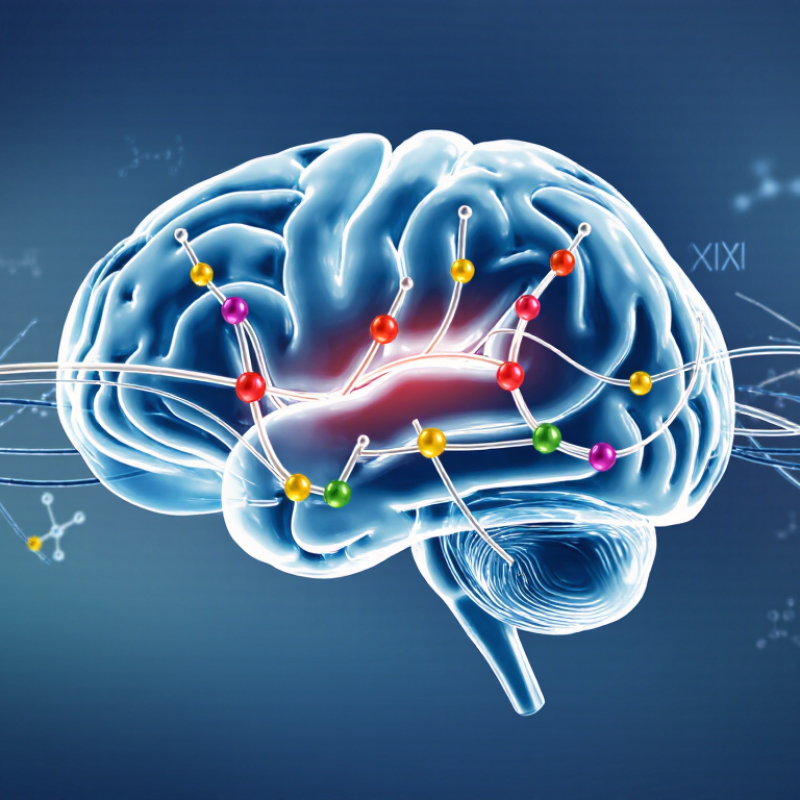
Brain peptides are short chains of amino acids made by neurons or nearby brain cells. They act as chemical messengers, not simple brain “fuel.” Common examples include neuropeptide Y, substance P, endorphins, and orexin. These molecules can influence appetite, pain, sleep, stress, memory, and emotional responses. The 2023 Global Burden of Disease analysis estimated that neurological conditions affected more than 3 billion people worldwide. That figure explains the strong research interest in peptide signaling, but it does not prove that every peptide supplement or therapy works.
Brain peptides usually bind to specific receptors on cell membranes. Many activate G-protein-coupled receptors, changing calcium levels, electrical activity, or gene expression. Their effects may last longer than ordinary neurotransmitter signals. However, most peptide medicines cross the blood-brain barrier poorly. Delivery remains a major scientific problem. A 2023 review in Nature Reviews Drug Discovery reported more than 80 approved peptide medicines worldwide, yet only a limited portion directly targets the central nervous system. Animal findings can also look impressive and fail in human trials. The field is promising, but not tidy. Researchers still need stronger human data, clearer dosing standards, and longer safety monitoring.
Brain peptides, often called neuropeptides, are produced mainly inside neurons. Their genetic instructions begin in the cell body, where ribosomes build larger precursor proteins. The endoplasmic reticulum and Golgi apparatus then trim and package them. Dense-core vesicles carry these peptides along axons and dendrites. Release occurs near synapses, but also from wider neuronal branches.
Production is not limited to one brain region. The hypothalamus, pituitary-linked circuits, hippocampus, amygdala, and brainstem contain many peptide-producing neurons. Glial cells may also influence peptide signaling. The Allen Human Brain Atlas examined six adult human brains, 3,702 tissue samples, and over 20,000 genes. Its data show that peptide-related gene activity varies sharply across regions. This matters because location changes function. A peptide released in the hypothalamus may influence appetite, while one in the brainstem may affect pain or breathing. These effects are not always cleanly separated.
Tips: Treat “brain peptide” as a broad term. Check the specific peptide, producing cells, and release site. Blood tests can mislead because many peptides are made outside the brain. Evidence also remains incomplete. Human brains differ, and laboratory findings do not always predict daily experience. A careful interpretation should identify the study model, sample size, and measurement method. Sources: Allen Institute, Allen Human Brain Atlas; Nature Reviews Neuroscience, neuropeptide signaling reviews.
Brain peptides are short chains of amino acids made by specialized neurons. They act as chemical messengers inside the brain. Unlike many fast neurotransmitters, peptides often produce slower, longer-lasting effects. Their signals can influence pain, appetite, stress, sleep, memory, and emotional responses.
How do brain peptides send signals?
A neuron first produces a peptide and packages it inside small storage vesicles. When electrical activity reaches the nerve ending, calcium enters the cell. This triggers vesicles to release peptides into the space between cells. The peptides then travel a short distance and attach to matching receptors on nearby neurons. Many of these receptors activate internal messenger systems, which can change ion channels, enzyme activity, or gene expression. The response may continue for minutes or longer.
Peptide signaling is not always limited to one precise synapse. Some peptides spread through nearby tissue, allowing broader communication. Enzymes eventually break them down, which helps control the signal.
The process sounds orderly, but real brain chemistry is less tidy. Several peptides can act together, and the same peptide may produce different effects in different brain regions. Research also suggests that timing, receptor sensitivity, and stress levels can reshape these signals. That makes simple cause-and-effect explanations useful, but incomplete.
Brain peptides are short chains of amino acids that help brain cells communicate. Many act as chemical messengers between neurons, glands, and body tissues. Unlike a simple on-off switch, they often adjust the strength and timing of a response. That distinction matters.
These molecules influence several essential functions. Orexin supports wakefulness and stable sleep patterns. Neuropeptide Y can affect appetite, stress responses, and energy balance. Endogenous opioid peptides help regulate pain and emotional comfort. Other peptides, including oxytocin and vasopressin, participate in social bonding, memory, and fluid regulation. Stress-related peptides can activate the body’s alert system, raising heart rate and sharpening attention. Some also influence digestion, temperature control, and immune activity.
Their effects depend on location, dose, receptor type, and a person’s health. The same peptide may produce different outcomes in different brain regions. Evidence from neuroscience and clinical research continues to clarify these pathways, but the map is still incomplete. It is easy to overstate one promising experiment. A laboratory result does not always predict a safe or useful human treatment. Researchers therefore examine behavior, hormone levels, sleep, and long-term safety together. Small changes can matter. Brain peptide biology remains powerful, but it is not perfectly tidy.
Brain peptides are studied as signaling molecules, not as simple “brain boosters.” Researchers examine how peptides influence neurons, inflammation, appetite, sleep, and memory. They measure receptor binding, blood–brain barrier penetration, and changes in animal behavior. Human studies then assess safety, dose, cognition, and adverse effects. The process is slower than many advertisements suggest.
ClinicalTrials.gov recorded more than 500,000 registered studies worldwide by 2024, but registration does not prove effectiveness. A trial may be small, unfinished, or unable to reproduce earlier findings. Researchers therefore compare placebo groups, publish methods, and track outcomes over time. Imaging, cerebrospinal-fluid sampling, and blood biomarkers can add useful evidence. Still, each method has limits.
The U.S. FDA’s 2023 report listed 55 novel drug approvals, yet approval applies to specific products and indications, not an entire peptide category. This distinction matters. Some brain peptides remain experimental, while others are studied only for narrow medical conditions. Professional reviews in peptide-drug research also note major challenges, including rapid breakdown in the body and poor delivery into brain tissue. I find the evidence promising, but uneven. Marketing language often moves faster than replication. A careful reader should check the trial phase, sample size, peer-reviewed publication, and reported side effects before accepting a claim.
They are mainly produced inside neurons. Production begins in the cell body, where ribosomes build precursor proteins. Small packages carry them along axons and dendrites.
Several regions do, including the hypothalamus, hippocampus, amygdala, pituitary-linked circuits, and brainstem. Location matters. Different regions can support different functions.
Dense-core vesicles transport peptides toward release sites. Peptides may exit near synapses or from broader neuronal branches. Release is not always tightly localized.
No. A peptide may influence appetite, sleep, pain, memory, or inflammation. These effects can overlap. Biology is rarely perfectly separated.
Not always. Many peptides are also produced outside the brain. A blood result may not reflect activity inside specific brain regions.
Researchers examine receptors, brain entry, behavior, safety, dosage, and side effects. They may use imaging, blood markers, or cerebrospinal-fluid samples. Every method has limits.
Some are being investigated, but evidence varies widely. A registered study does not prove effectiveness. Trial size, completion status, replication, and reported harms matter.
Many peptides break down quickly in the body. Others enter brain tissue poorly. Delivery can fail. Promising laboratory results may not match daily human experience.
Check the specific peptide, producing cells, release site, study model, and sample size. Look for peer-reviewed results and clear side-effect reporting. I may trust exciting claims too quickly, so skepticism helps.
Brain Peptide refers to a small chain of amino acids that acts as a chemical messenger in the nervous system. Unlike many traditional neurotransmitters, brain peptides are often released when neurons receive strong or repeated stimulation. They can be produced in nerve cells and other brain-related tissues, then stored in specialized structures until needed. Their signals travel by binding to matching receptors on nearby or distant cells, influencing how those cells respond over a longer period.
Brain peptides help regulate a wide range of functions, including mood, stress responses, pain perception, appetite, sleep, learning, memory, and communication between the brain and body. Researchers study them through laboratory experiments, imaging techniques, molecular analysis, and controlled clinical research. Understanding these signaling molecules may improve knowledge of brain activity and support the development of safe approaches for investigating neurological and emotional conditions.
